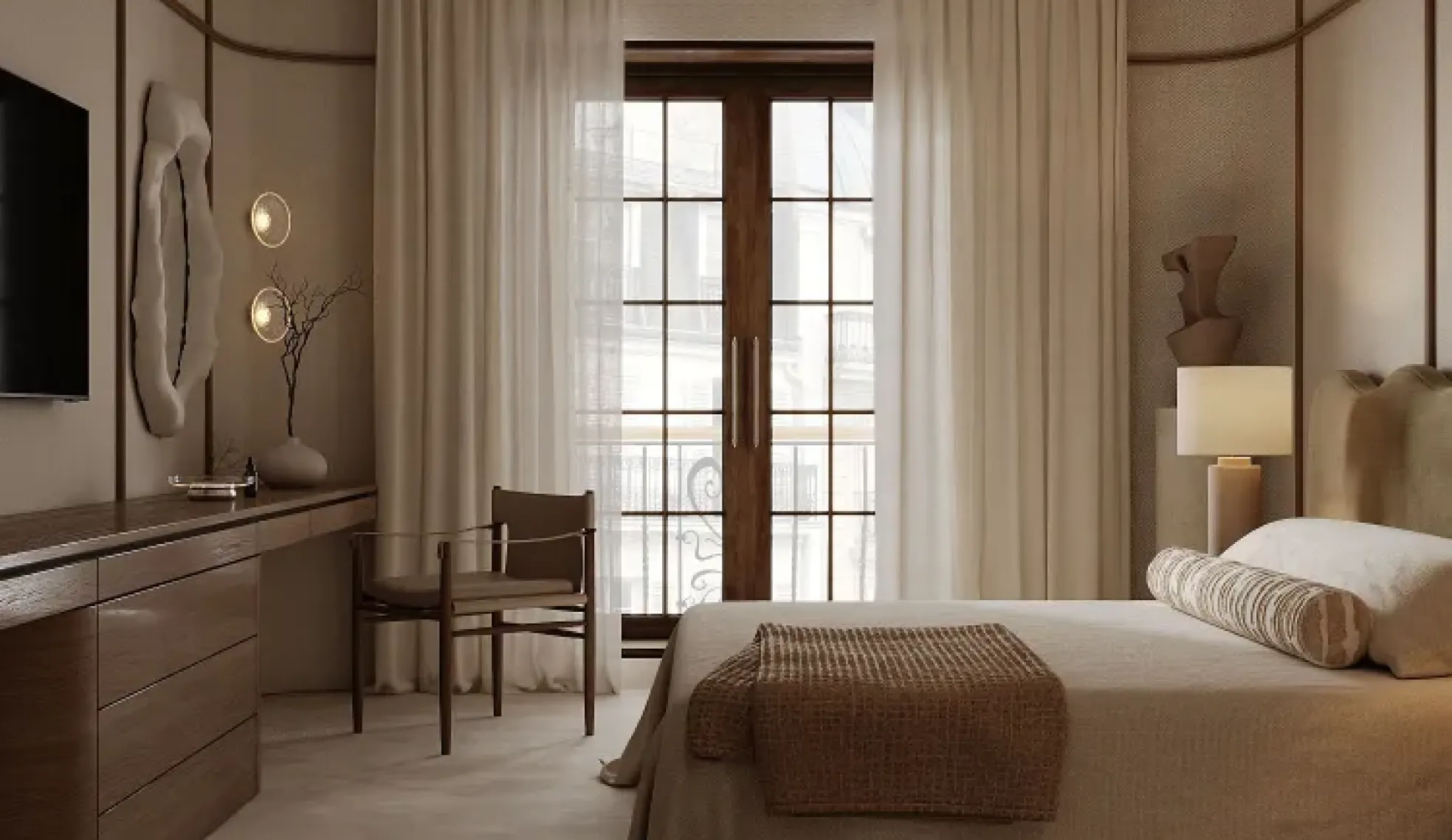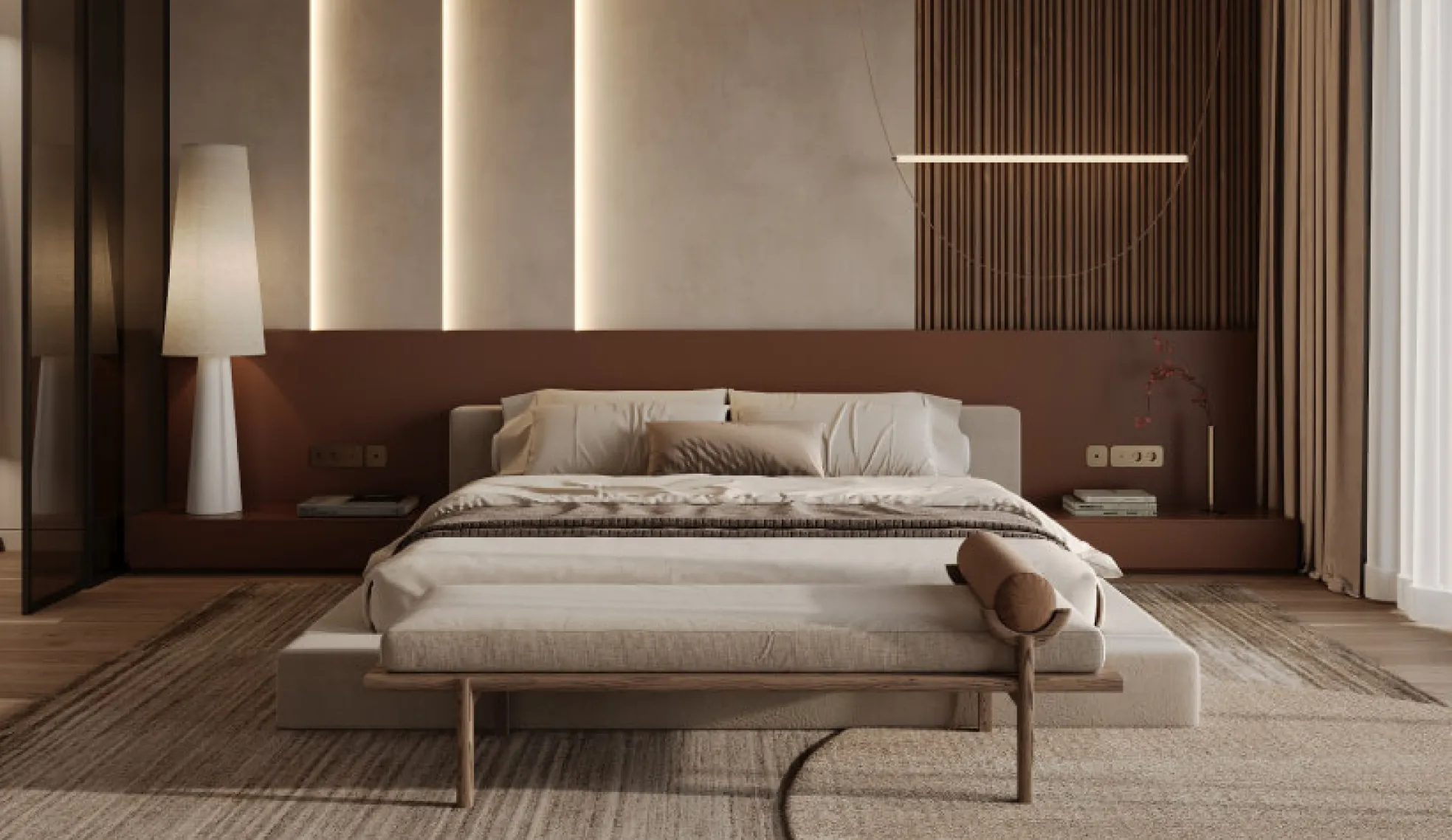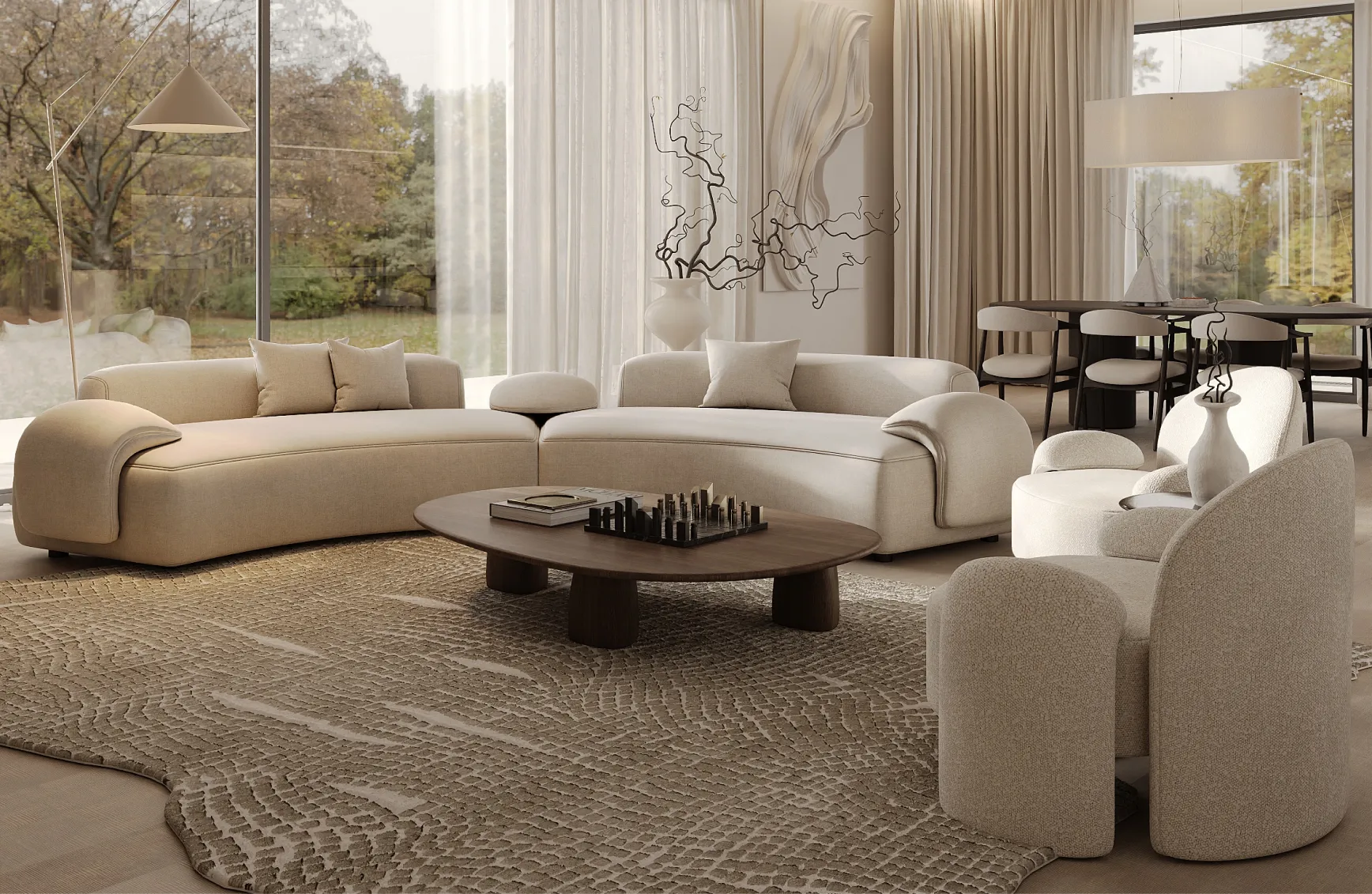

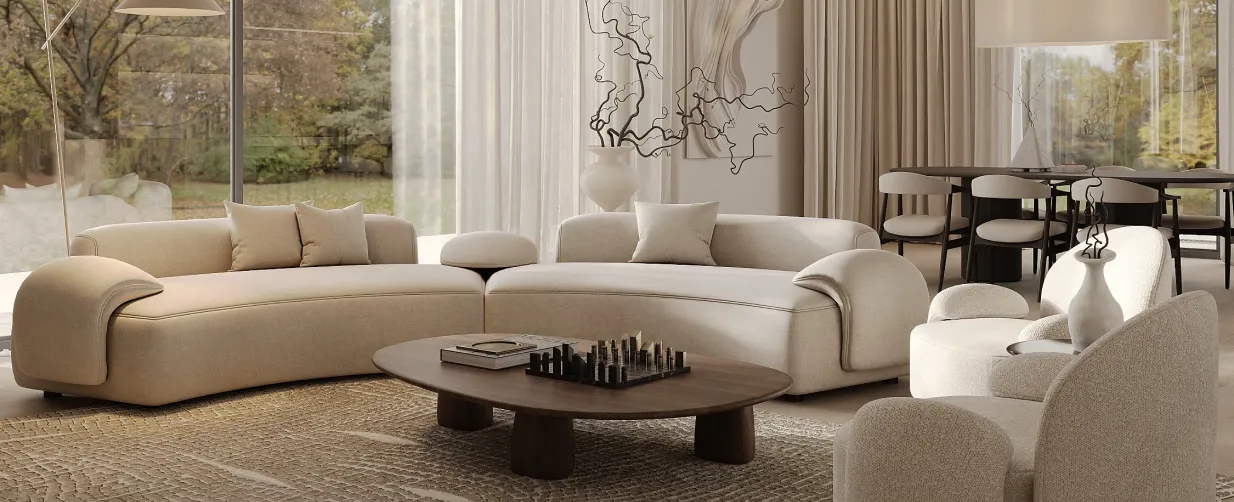
You've found the perfect interior on Pinterest. A bright kitchen, a beautiful sofa, designer lighting—everything looks elegant, stylish, and expensive. You save it to your "Dream Home" board. Then the renovation begins... and suddenly something feels off.
The kitchen feels cramped. The sofa looks too large. The lighting isn't quite right. The space has lost the magic that made you fall in love with it.
Why does this happen?
More importantly, how can you create an interior that truly works for your home?
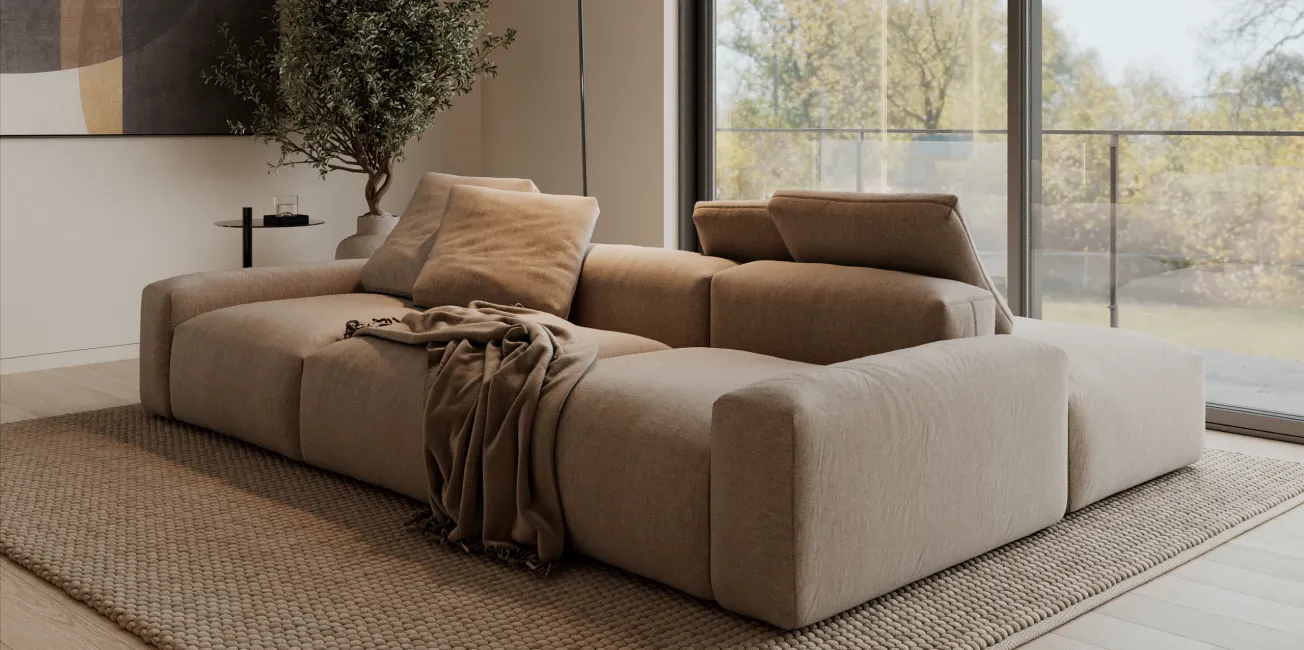
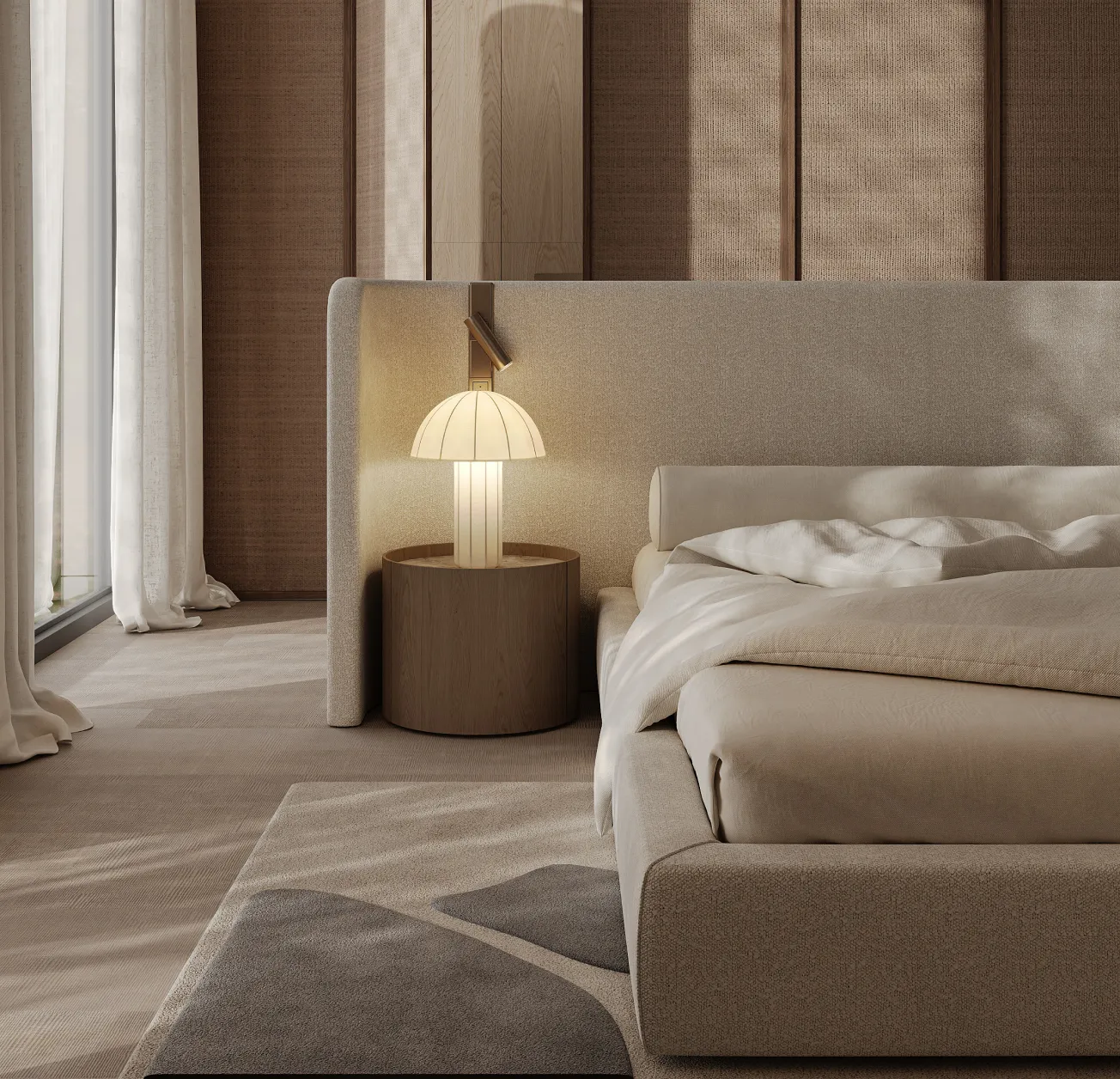
"We want it to look exactly like this."
We hear this all the time—and that's completely normal. Inspiration is an essential part of every design project. But there's one important thing to remember: Pinterest showcases beautiful images, not real-life living. Let's be honest.
Those perfect photos never show:
- where the vacuum cleaner is stored;
- whether the wardrobe doors open comfortably;
- if there's enough space to walk through with grocery bags;
- whether a robot vacuum can move freely;
- or if two people can cook together without getting in each other's way.
Yet these are exactly the details that determine your everyday comfort.
A great interior isn't the one that looks beautiful in photos.
It's the one that's comfortable to live in every single day.
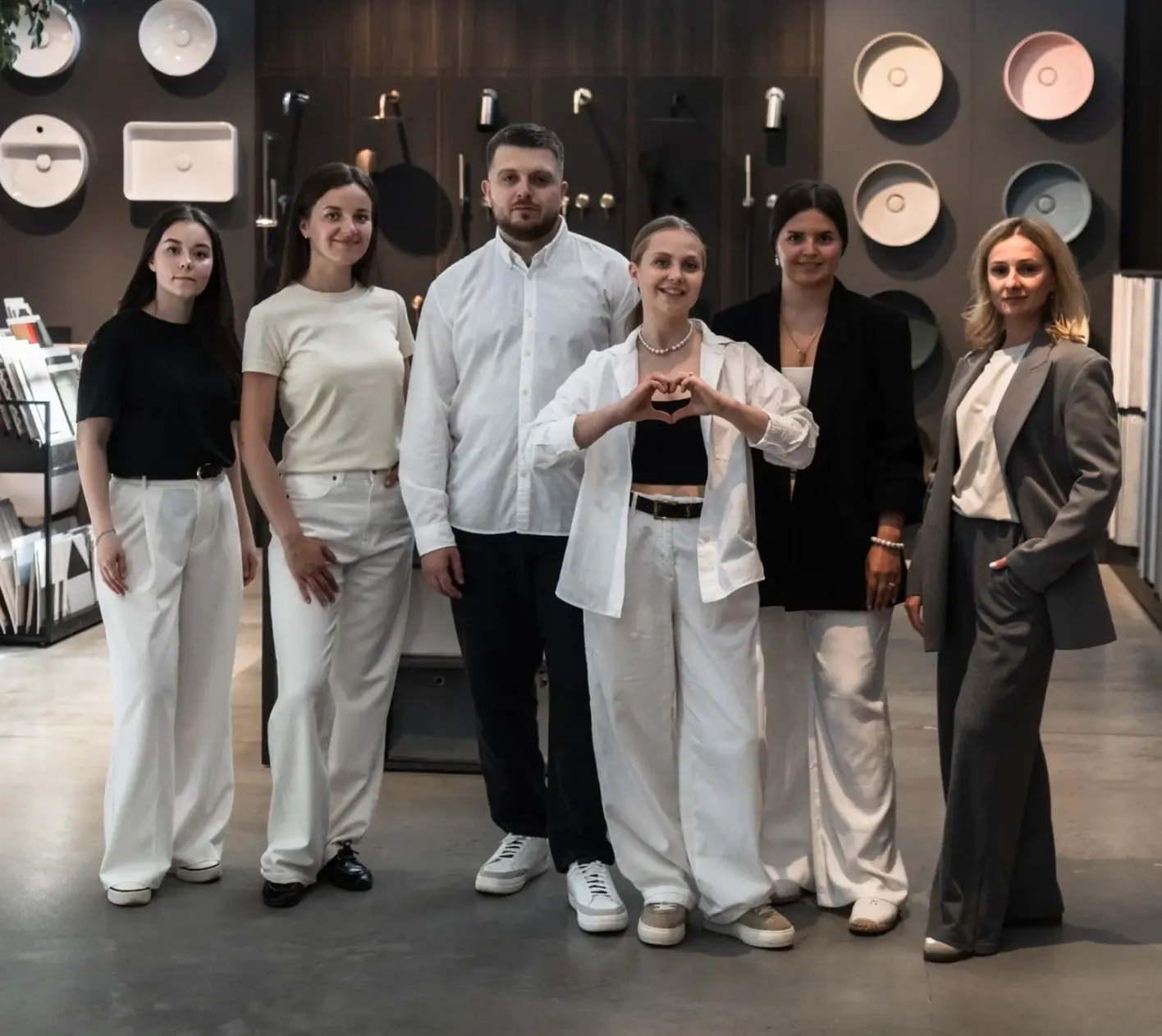
— Line.Projekt Designer
Mistake #1
Copying an Interior Without Considering the Floor Plan
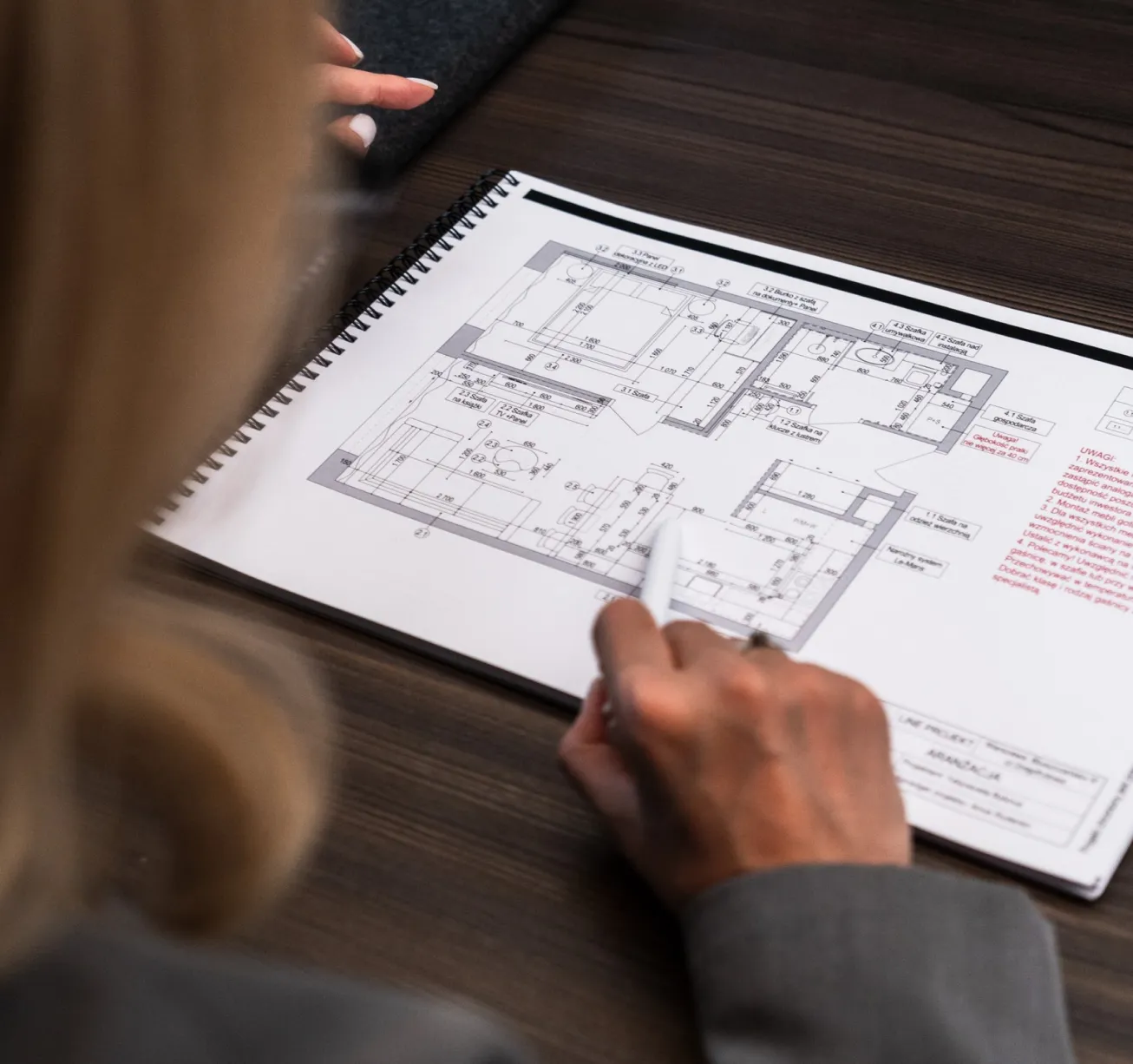
Many clients want to recreate an interior they've seen online. The problem is that the same design cannot function equally well in different homes.
For example, the Pinterest living room you love may have been designed for a 120 m² open-plan space, while your living room is only 30 m².
The ceiling height is different.
The amount of natural light is different.
The room proportions are different.
That's why every interior design project begins not with furniture or décor, but with a functional layout.
First, we ask: How will people actually live in this space? Only then do we decide how it should look.
Mistake #2
Choosing an Interior Based Only on Appearance
A beautiful interior doesn't always mean a practical one.
Take minimalism, for example. It's one of today's biggest trends: white walls, hidden storage, and very few visible belongings. It looks amazing. But if the home belongs to a family with pets, seasonal storage needs, and an active lifestyle, that same minimalist design can quickly become impractical.
A professional interior designer asks questions that clients often don't think to ask themselves:
- Where do you store your suitcases?
- How much clothing do you have?
- Do you enjoy cooking?
- Do you use a coffee machine every day?
- Do you work from home?
Because the answers to these questions are what turn a beautiful interior into one that truly works for everyday life.
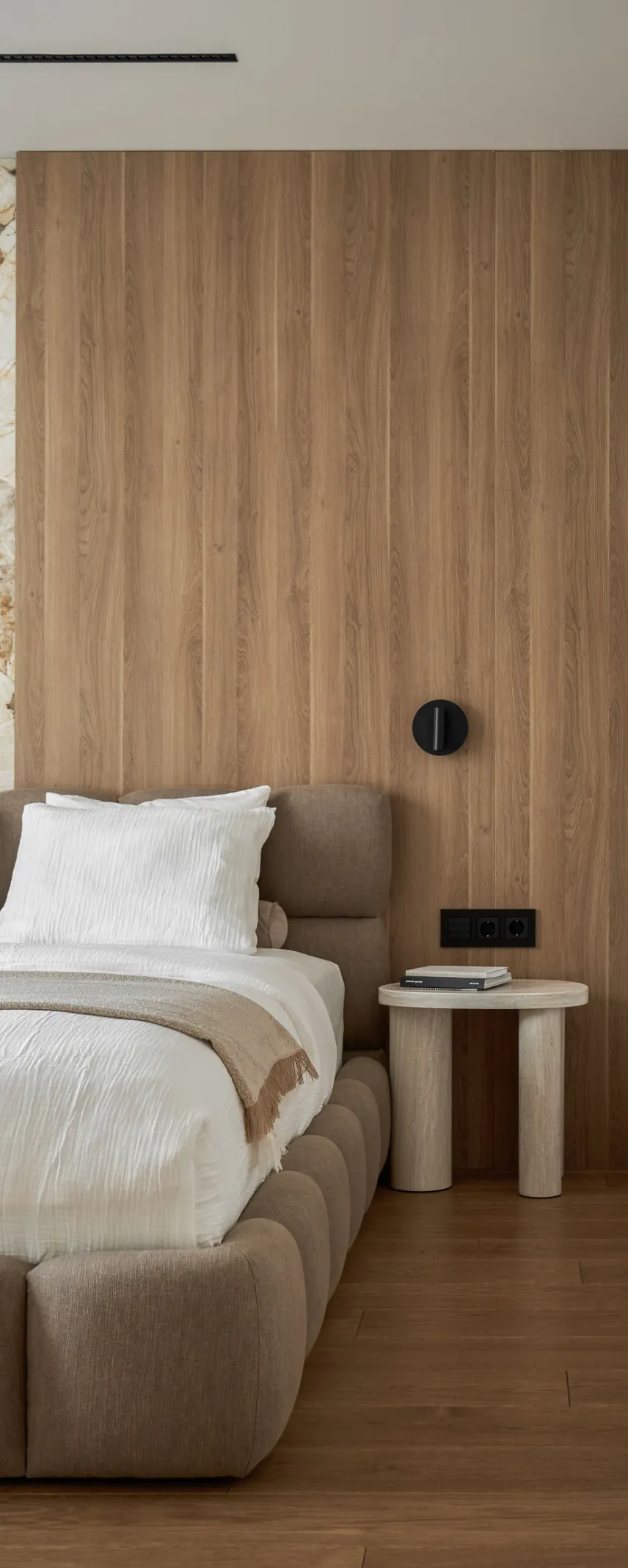
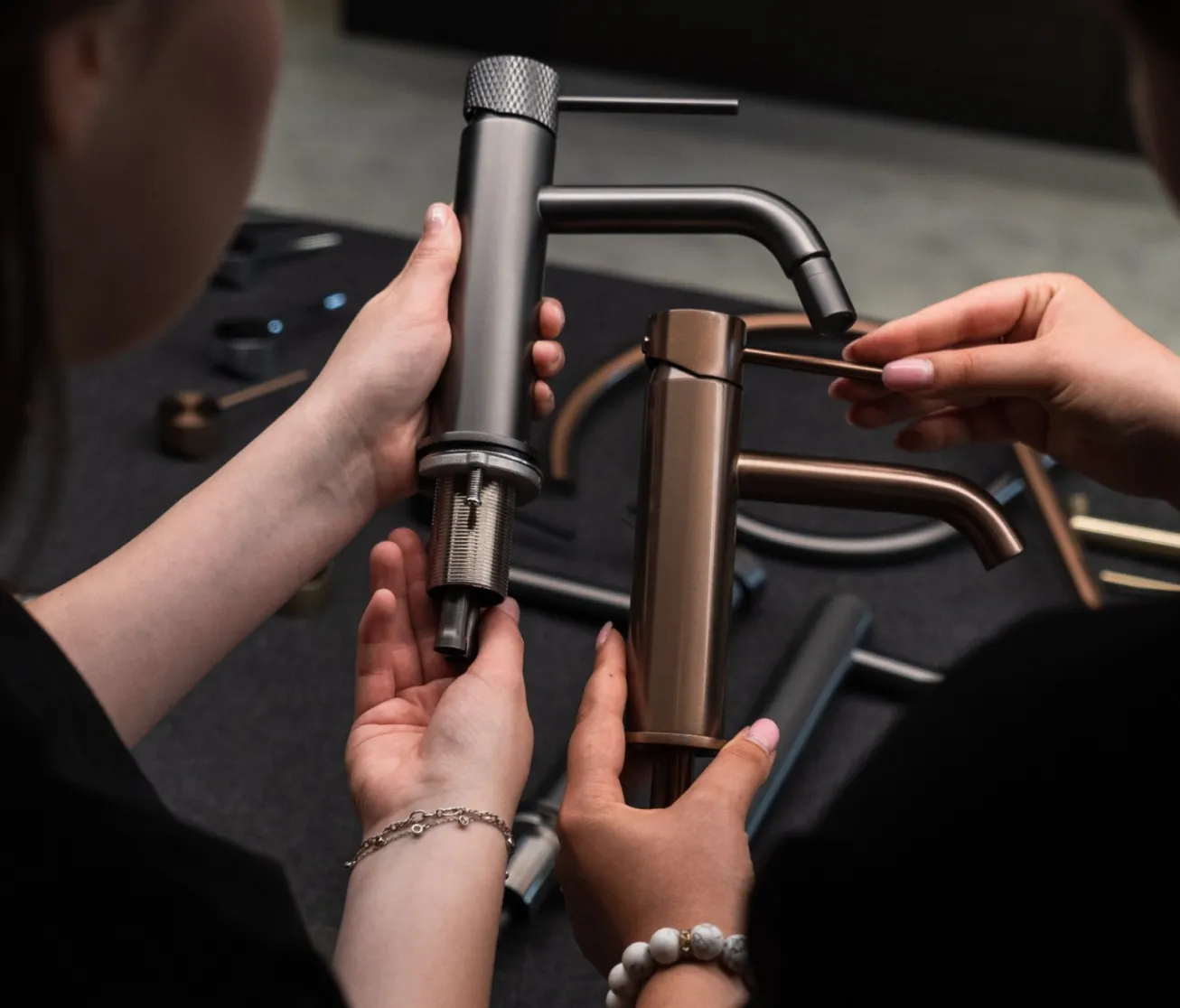
Why an Interior Design Project Is More Than Just Beautiful Images
Many people think interior design is simply about choosing furniture and wall colors.
In reality, a professional interior design project includes:
- a functional floor plan;
- lifestyle planning;
- ergonomic solutions;
- 3D visualizations;
- material selection;
- detailed technical drawings.
When everything is carefully planned in advance, the renovation process becomes smoother, faster, and far less likely to result in costly mistakes.
That's why a professional architect or interior designer isn't just someone with a good eye for aesthetics—they help you make hundreds of important decisions before construction even begins.
A Luxurious Interior Isn't About an Expensive Budget
There's a common misconception that a luxurious-looking interior requires expensive materials.
In reality, that's rarely the case.
An interior feels refined and sophisticated when it has:
- balanced proportions;
- well-designed lighting;
- a consistent material palette;
- thoughtful composition;
- a strong sense of harmony.
Sometimes, a well-composed space looks far more elegant than one furnished with pieces that cost twice as much.
Our job as designers isn't to make a space look expensive. Our goal is to create an interior that feels harmonious, comfortable, and timeless—one you'll still love years from now.
— Line.Projekt Designer
So, Should You Use Pinterest for Inspiration?
Absolutely.
But it's best to treat Pinterest as a source of inspiration rather than a step-by-step guide.
Save ideas that capture:
- materials;
- color palettes;
- the overall atmosphere;
- lighting;
- the mood of the space.
Then let your designer adapt those ideas to fit your home, your layout, and your lifestyle.
Because a well-designed interior is always about finding the right balance between aesthetics, functionality, and the way you actually live.