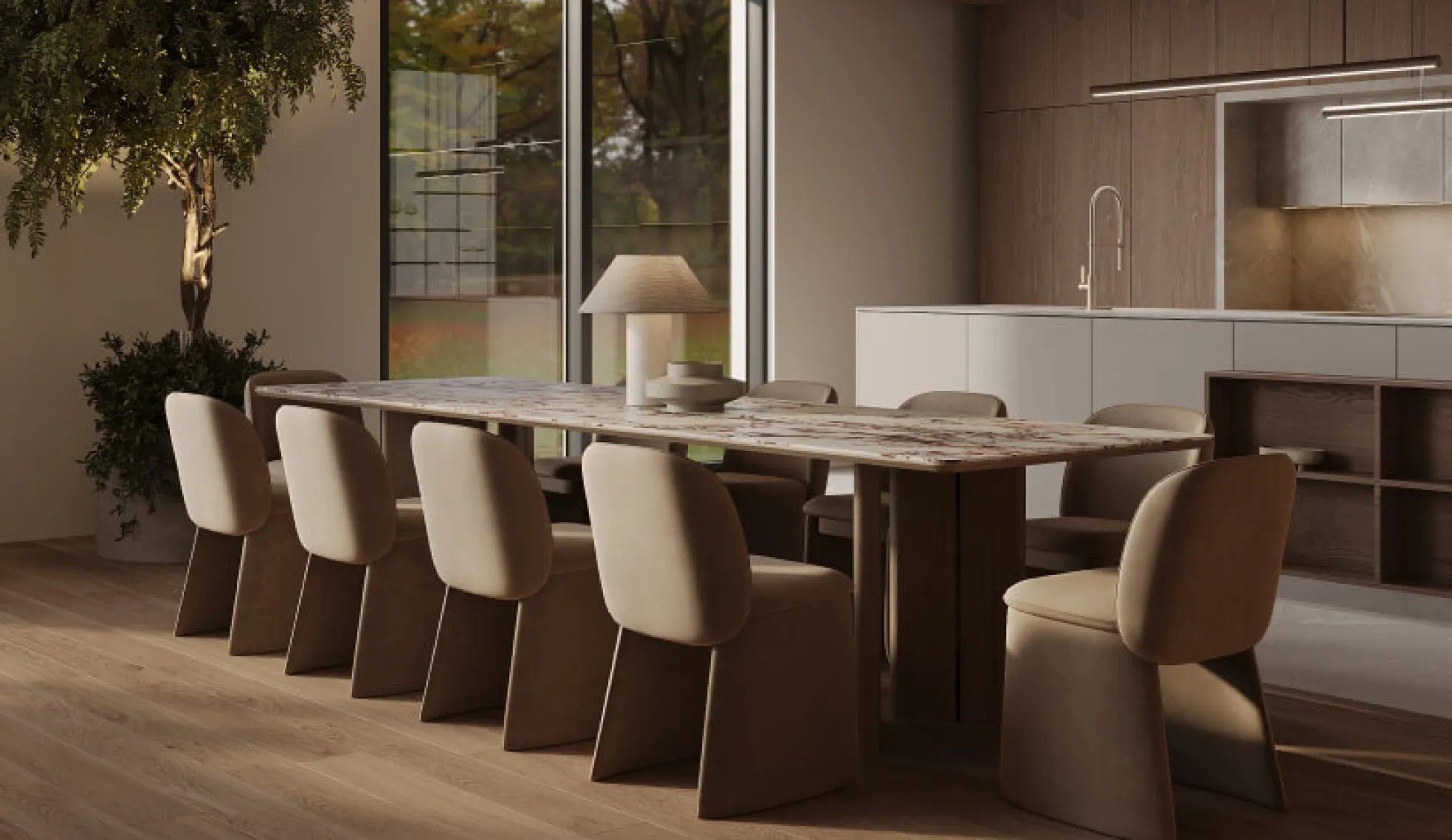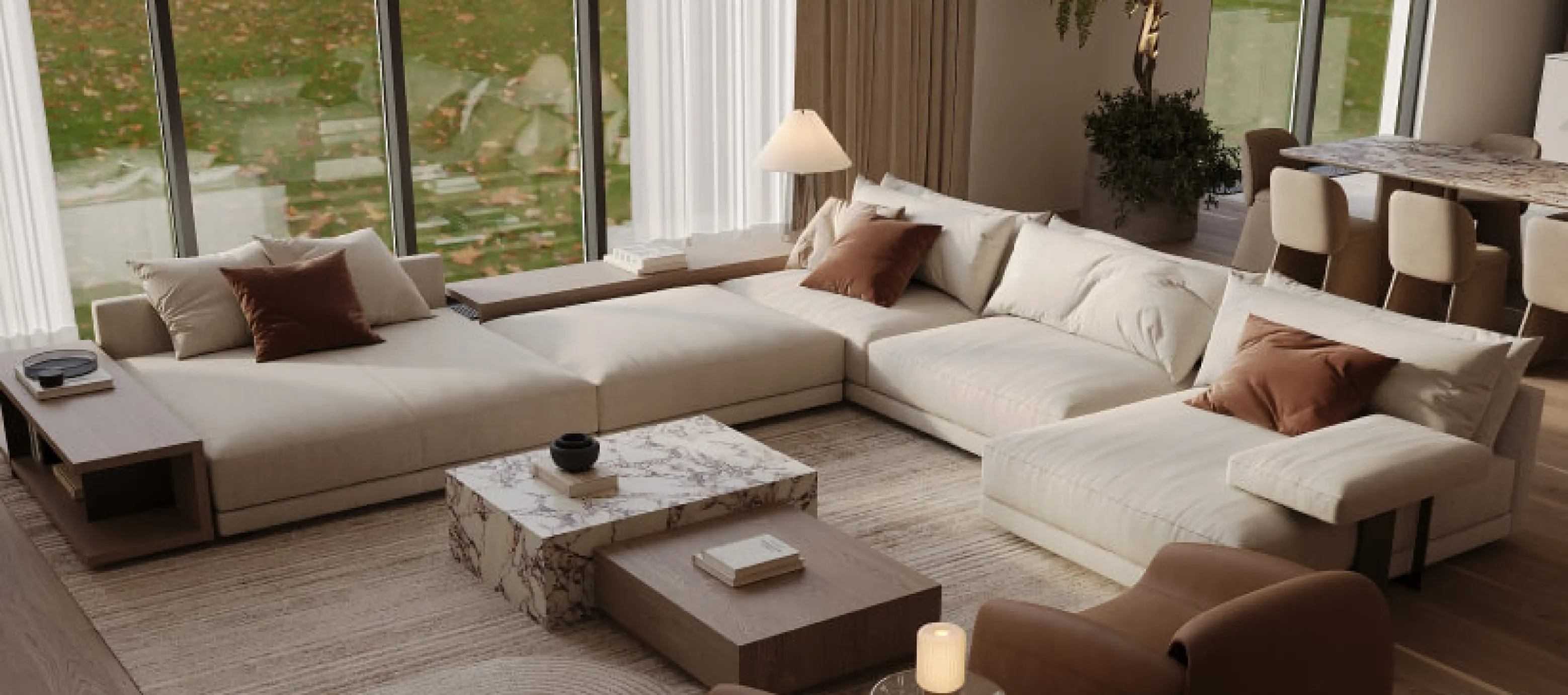

Every year, interior design trade shows, designers and material brands showcase dozens of new directions. Some disappear after a few months. Others stay with us for years. So asking “What will be in style in 2027?” only gets us so far.
A more interesting question is “Which changes really reflect how we want to live today?”
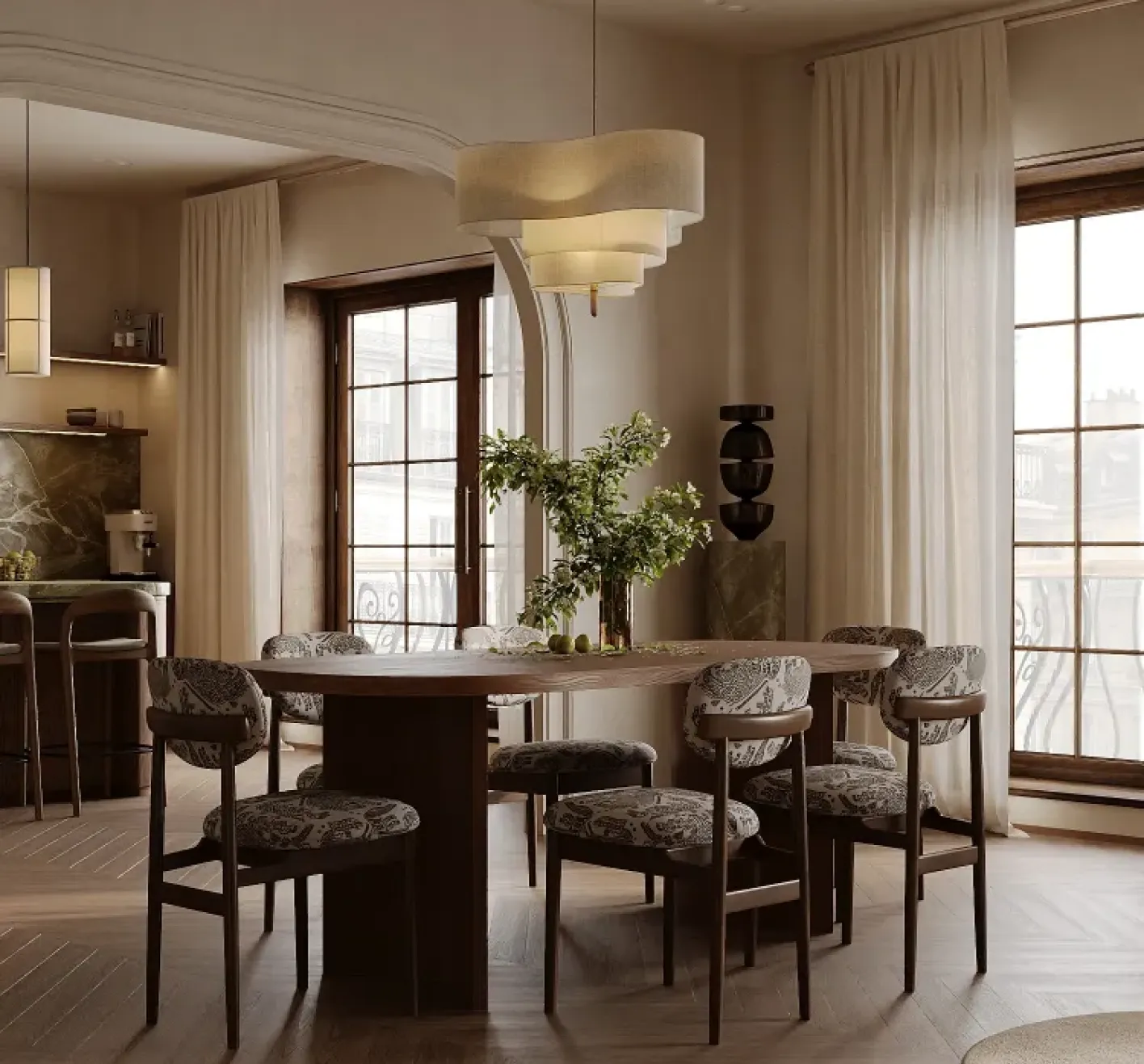
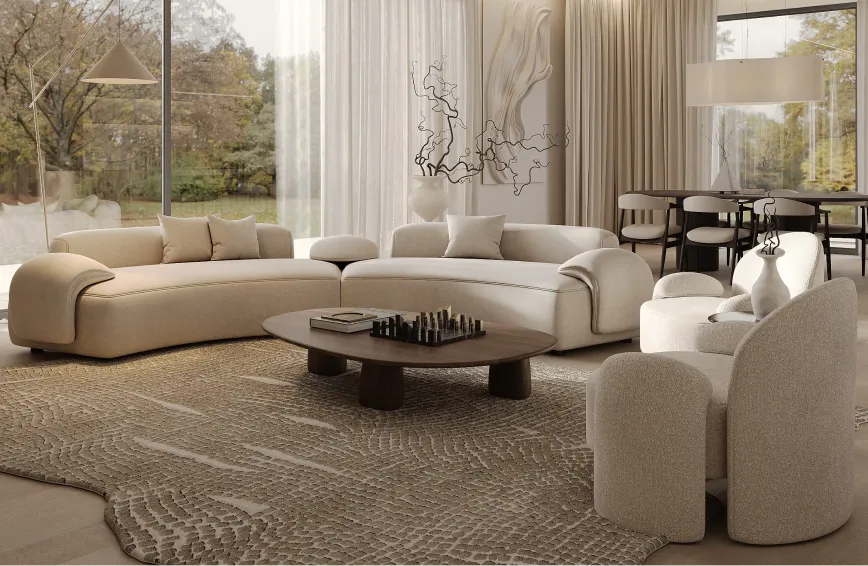
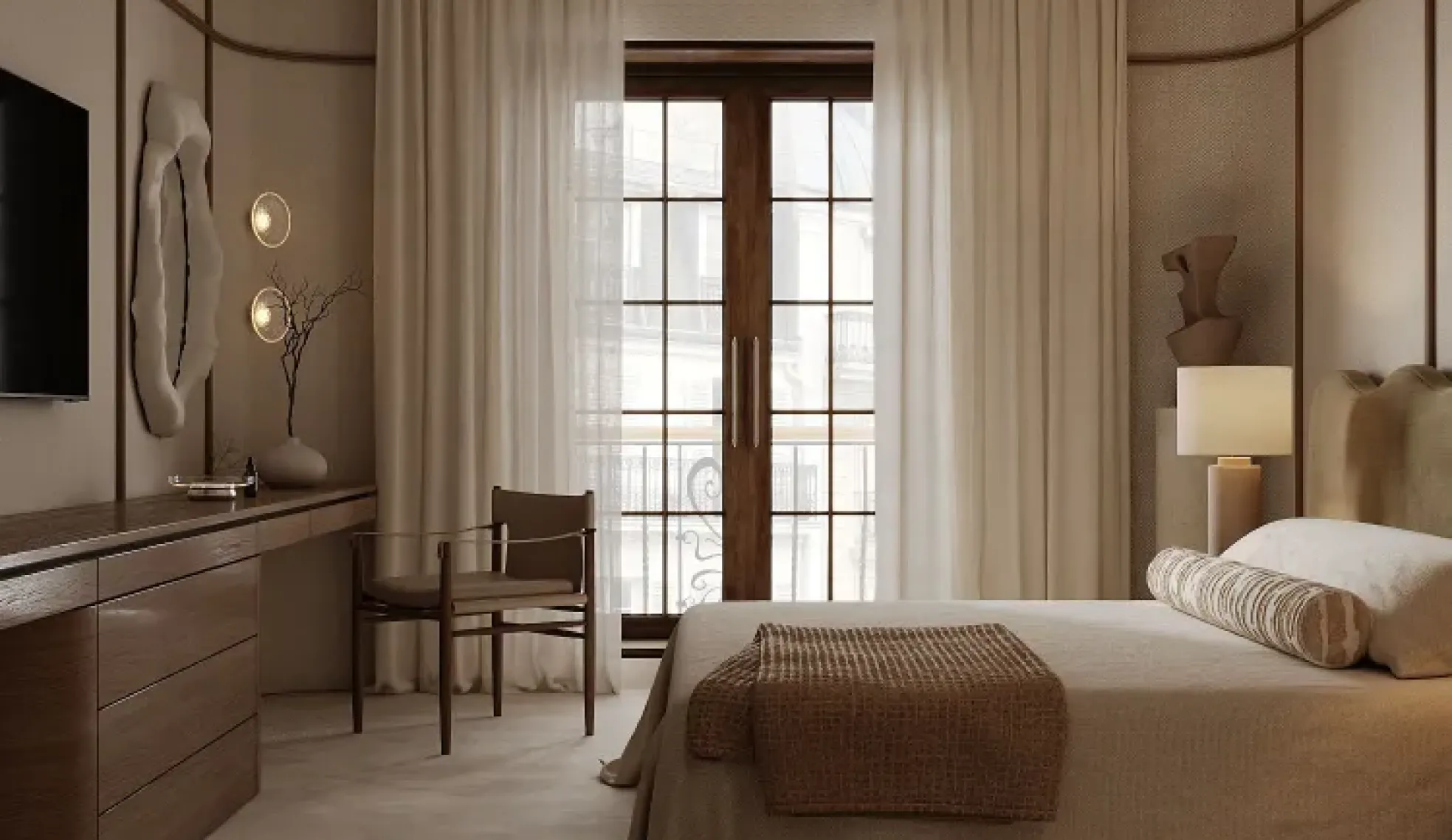
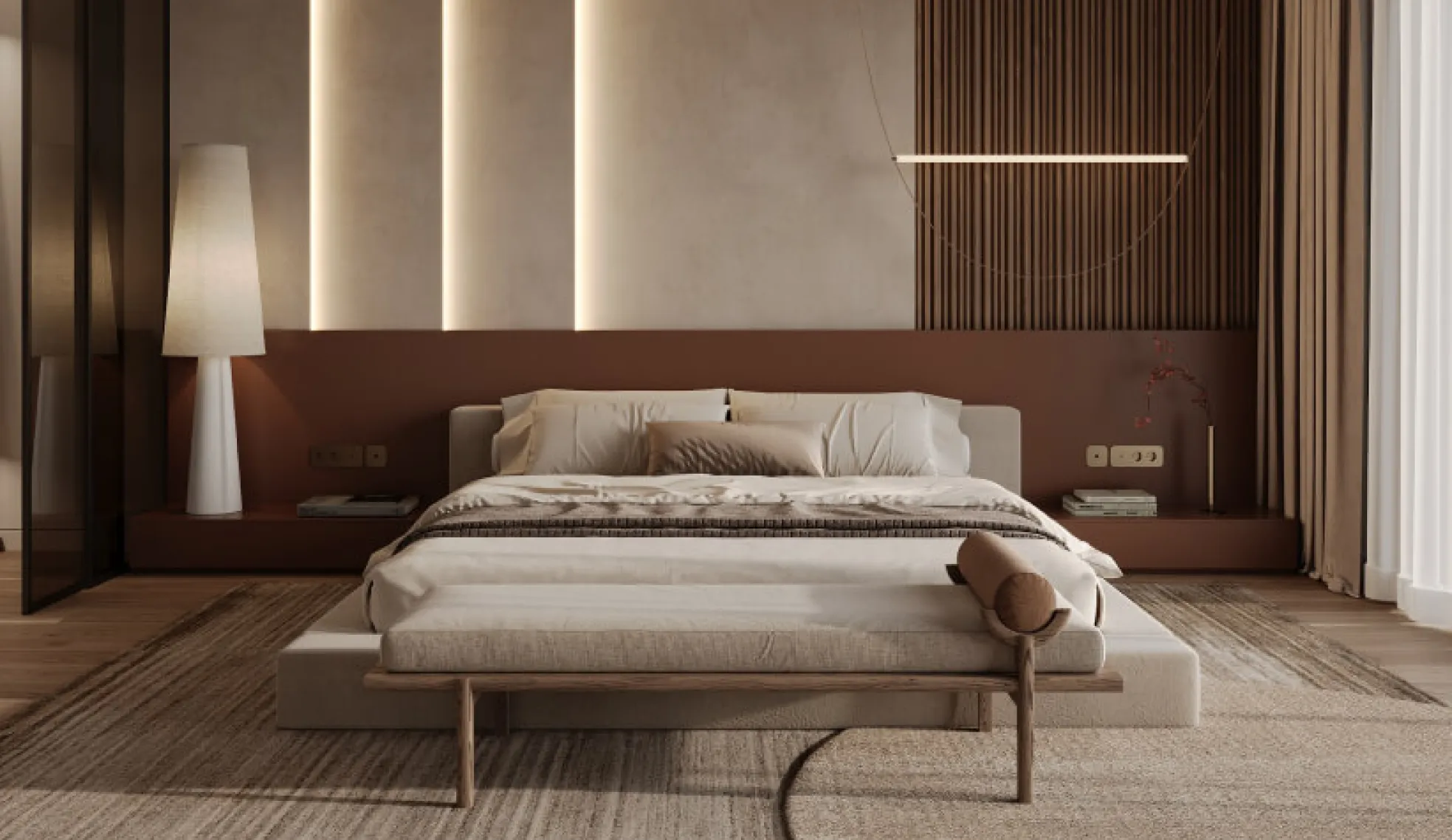
The latest interior design forecasts for 2027 point to several clear trends. Texture is taking on a bigger role, palettes are getting warmer, and natural materials are gaining ground. Interiors are becoming more personal, furniture is taking on more sculptural forms, and designers are mixing styles and periods more deliberately.
Another list of ten fashionable colours would only tell part of the story. What’s more interesting is why these trends are emerging now and which ones are worth bringing into your own home.
Interiors are becoming more sensory and tactile
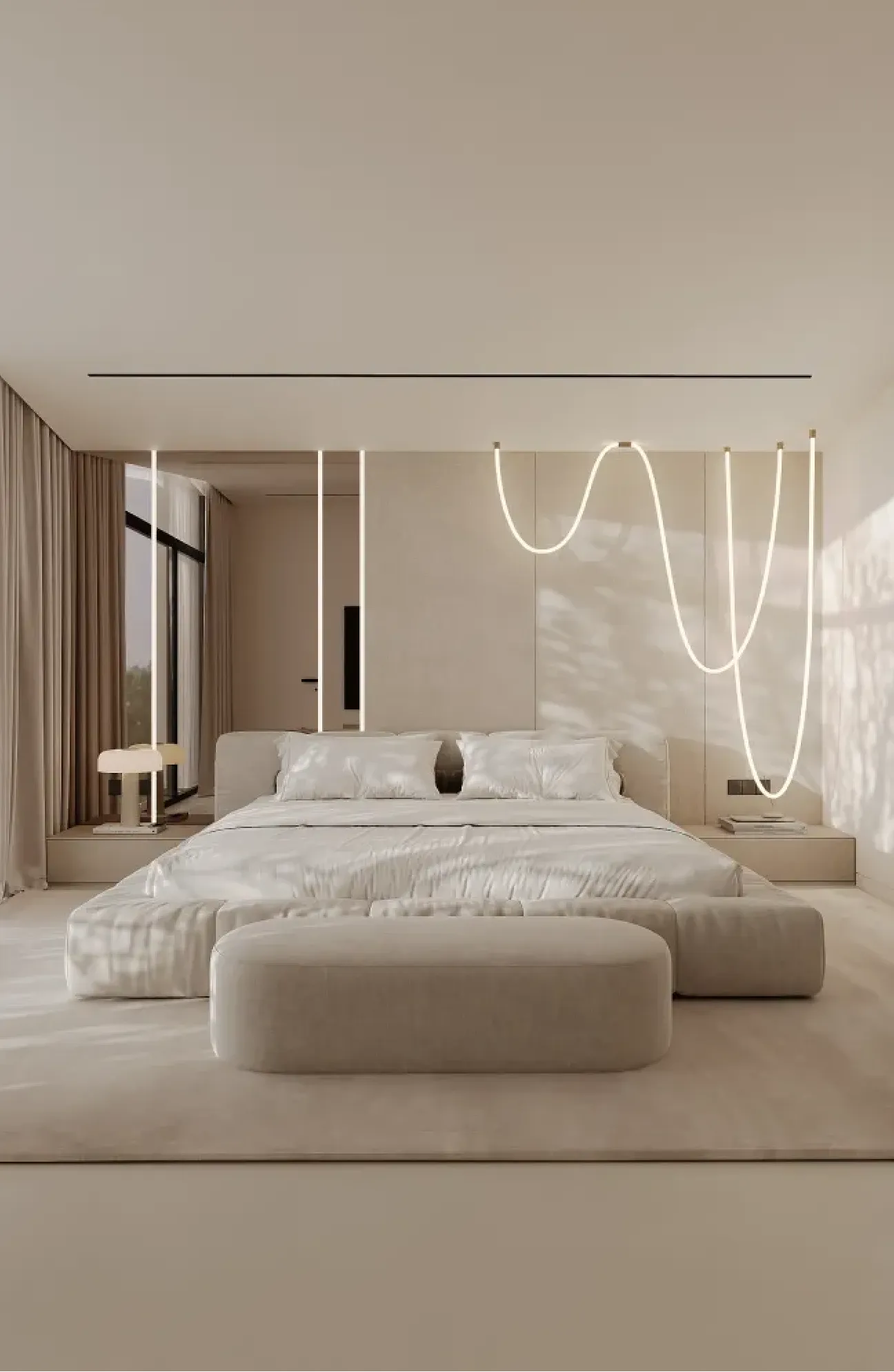
One of the strongest trends is the growing importance of texture.
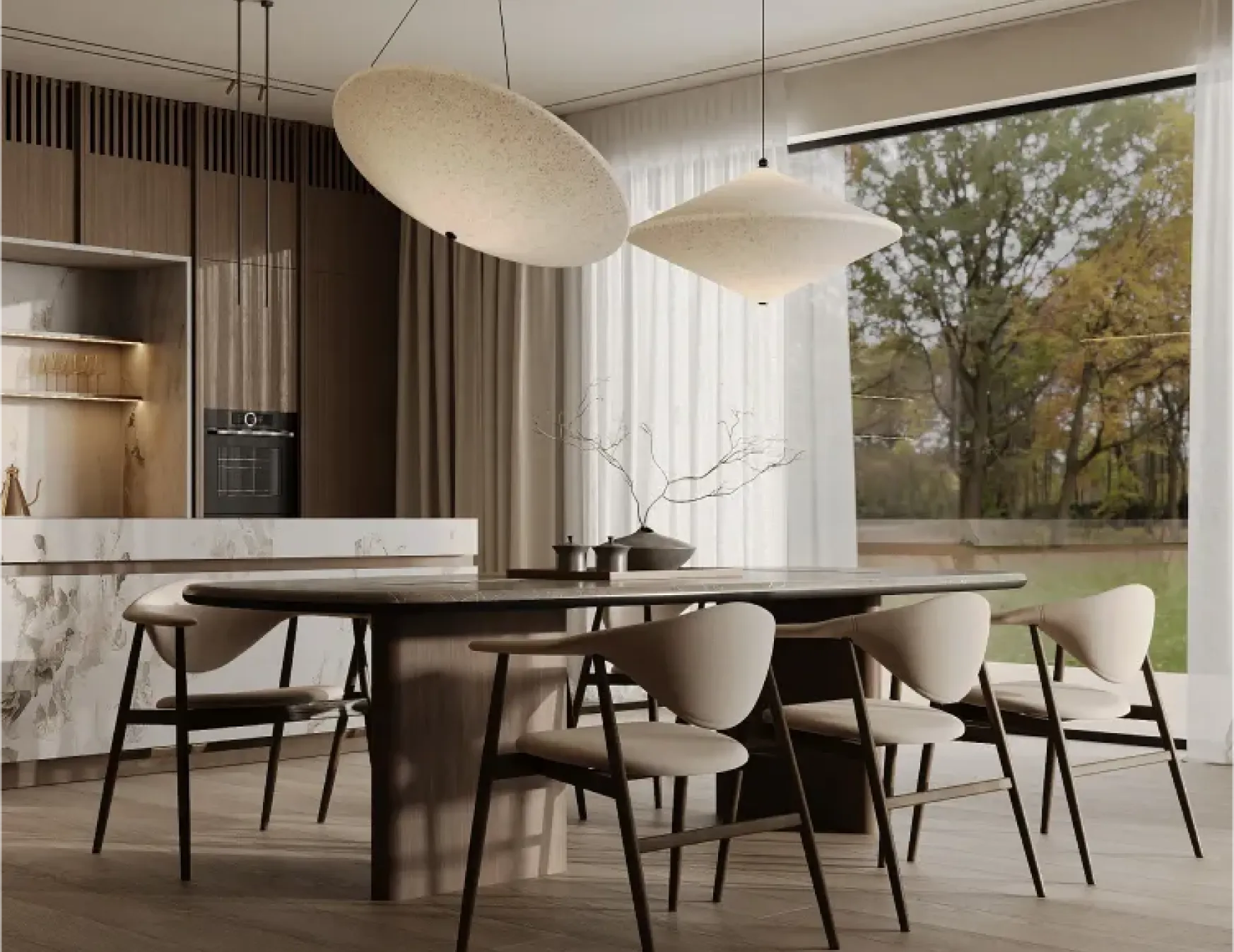
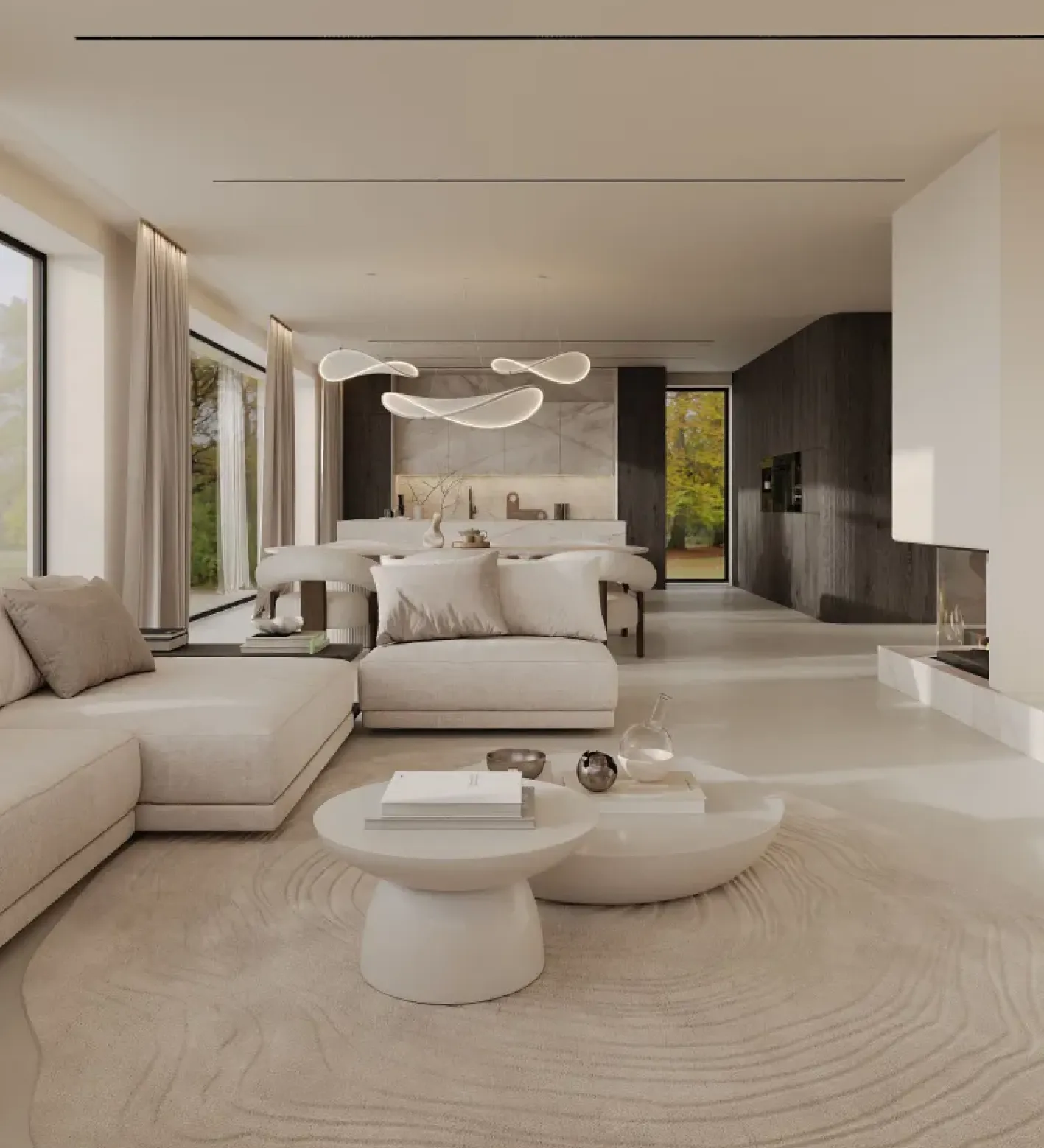
Smooth, flawless surfaces are increasingly giving way to materials with a texture of their own, such as natural wood, stone, textured plaster, handmade ceramics, uneven glass and fabrics with a distinctive weave.
An interior is something we experience with more than just our eyes. In a well-designed room, layering a few textures can create more interest than using lots of different colours.
Wood + stone + soft fabric + metal.
The palette stays calm, while the room gains depth.
Warm colours are here to stay
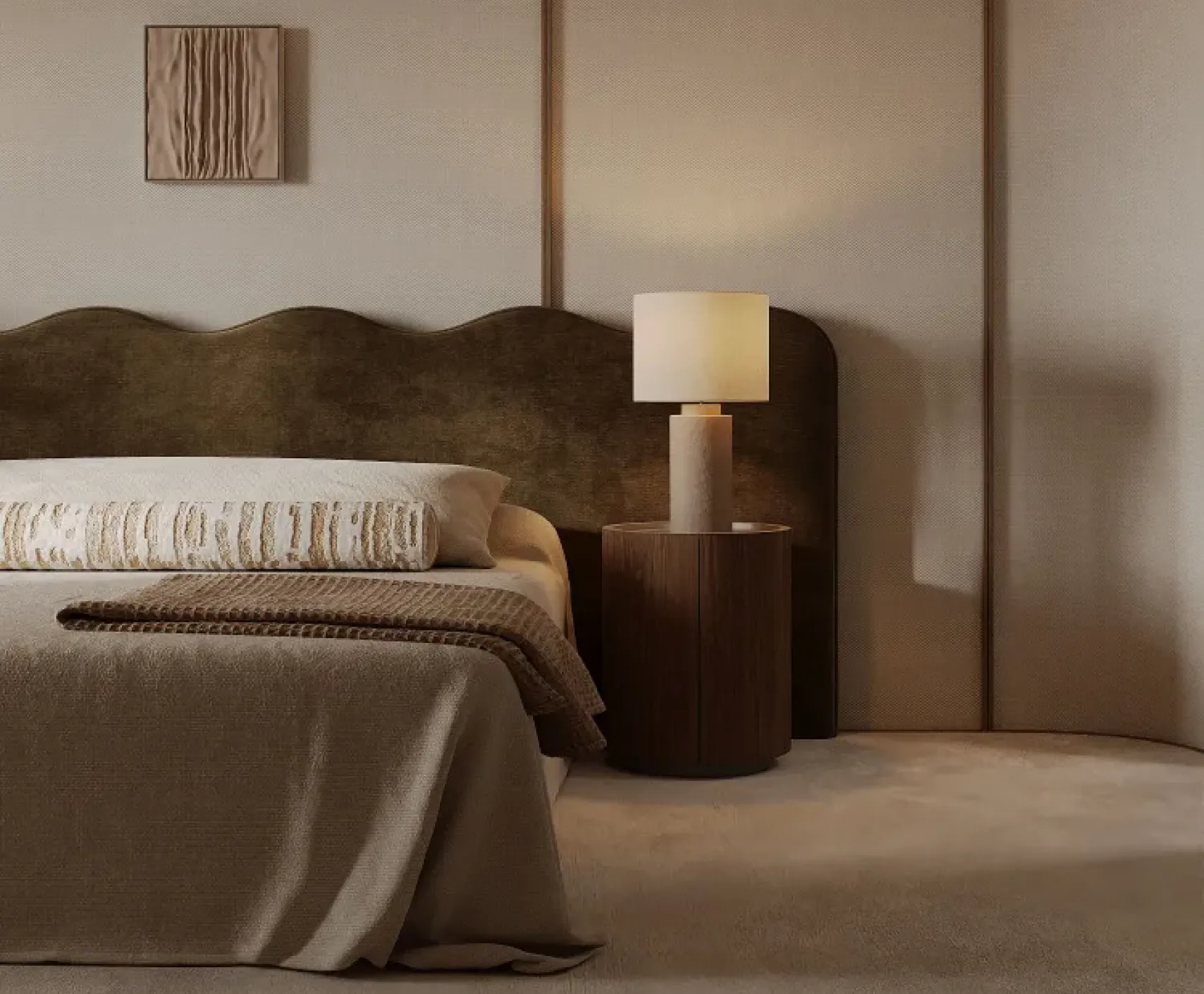
Cool greys and stark whites are increasingly giving way to warmer, more nuanced shades.
Forecasts for 2027 feature earthy tones, muted greens, terracotta, deep reds, burgundy and warmer neutrals.
Burgundy can work beautifully in small doses. In fact, the most interesting results often come from using colour with restraint.
- Warm beige can serve as a base.
- Olive green can add depth.
- Dark wood can create contrast.
- A bolder colour such as terracotta or deep red can work as an accent.
“We advise clients to look beyond the colour of the year when choosing a palette. In a well-designed interior, trends should serve the people who live there.”
— Interior designer at Line.Projekt
Natural materials are becoming a lasting part of interior design
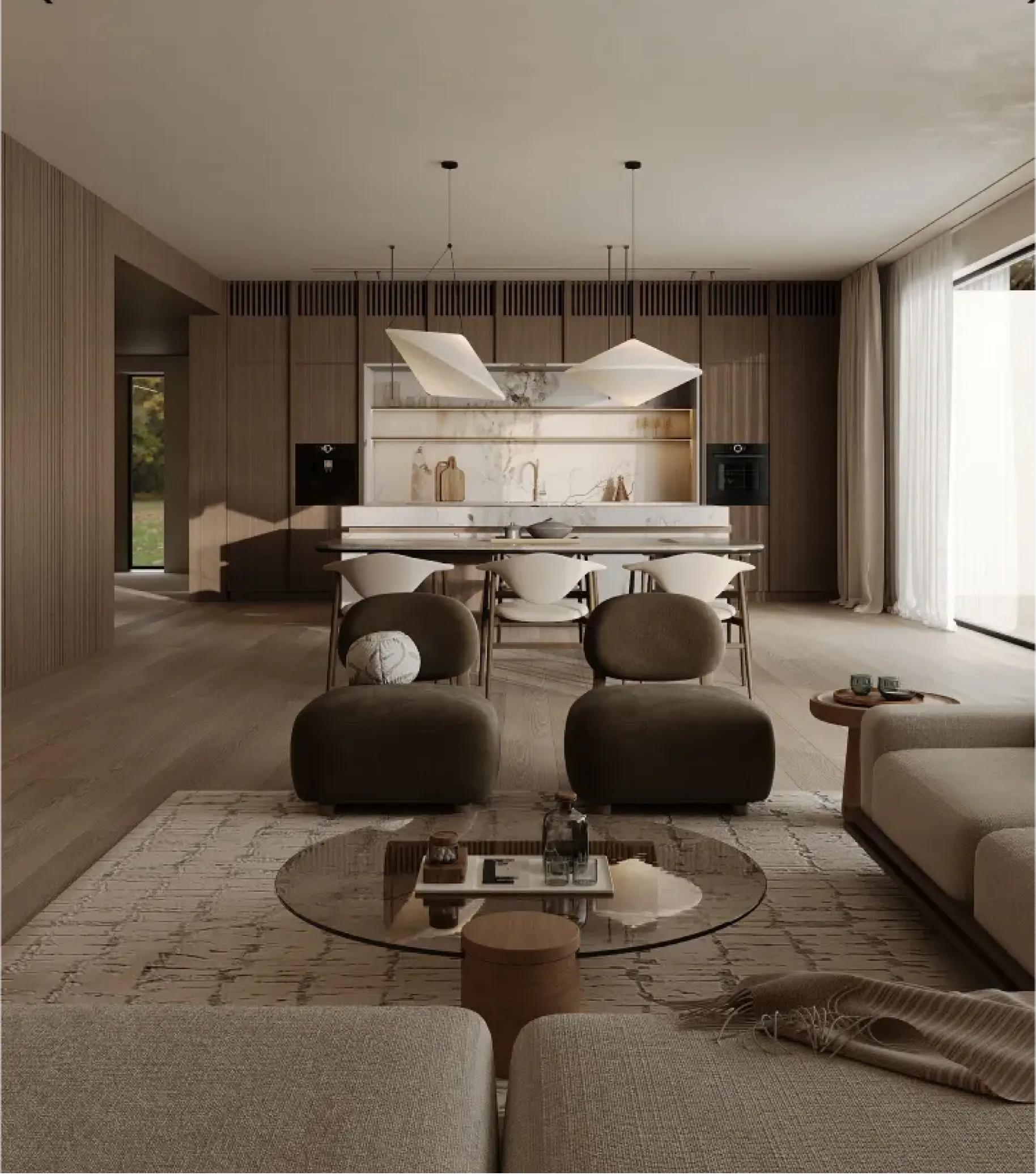
Wood, stone, linen, wool and ceramics still play an important role in interior design. What’s changing is how we use them. Their role now goes well beyond decorative touches.
Natural materials are becoming part of the interior architecture itself.
A large stone island can be the centrepiece of a kitchen. Built-in wooden cabinetry can take the place of a feature wall. And high-quality wool upholstery can give a sofa a more luxurious feel than a shiny synthetic fabric.
Furniture is taking on more sculptural forms
One of the more interesting directions for 2027 is the move towards bolder, more sculptural shapes.
- Rounded armchairs
- Soft sofas with organic shapes
- Monumental tables
- Unusual furniture bases
- Rounded edges
Pieces like these work especially well in understated interiors, where a single piece can become a strong focal point.
A little restraint goes a long way. If every piece of furniture tries to be a sculpture, the room quickly starts to feel like a gallery.
The end of interiors straight out of a single catalogue
The deliberate blending of different periods is one of the clearest signs of how interior design is changing.
A modern kitchen can sit alongside a vintage armchair. A minimalist sofa can be paired with a classic chest of drawers, and a contemporary lamp can sit beside an old painting. Pairings like these give an interior its own character.
The result feels like a home someone actually lives in, with all the character a showroom tends to lack.
“We’re always drawn to interiors that have a story of their own. When everything comes from the same collection, a room can look flawless and still lack character.”
— Interior designer at Line.Projekt
Functionality is becoming part of the aesthetic
This may be one of the most important trends of the next few years. Fewer people want to live in spaces that look perfect only in photographs.
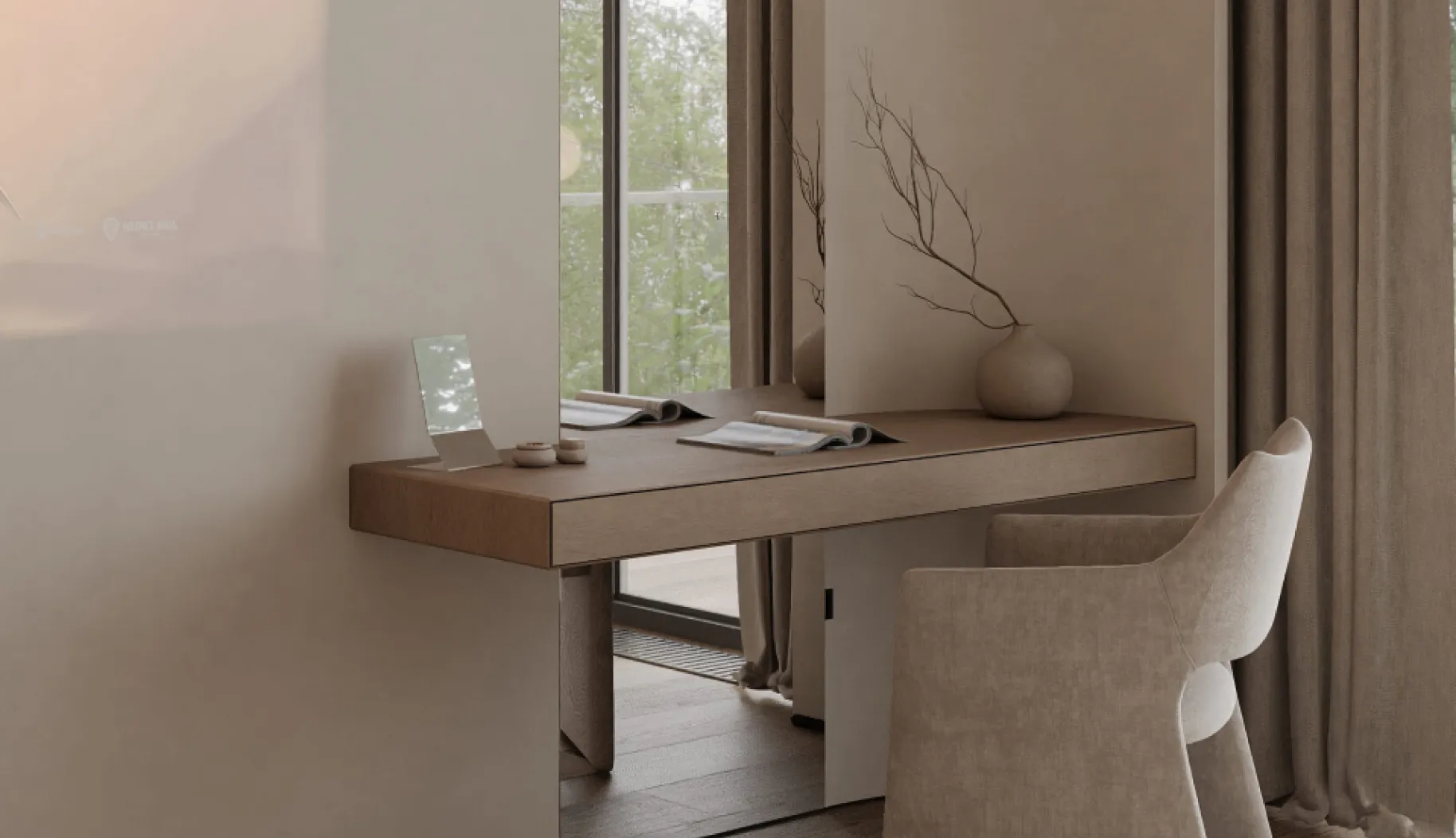
We want homes where we can read on the sofa, work, cook, spend time with family and friends, relax, store our belongings and change the mood with lighting.
Those everyday needs are now shaping the way an interior looks and feels.
So which trends are worth choosing?
I’d be selective. A well-designed interior should feel current while keeping its own character beyond any one year’s trends.
When designing a flat or a house for the long term, it’s worth prioritising choices that have practical value as well.
- A warmer colour palette
- Natural materials
- A variety of textures
- Well-planned lighting
- Flexible furniture arrangements
- Distinctive, personal pieces
- Well-designed storage
- A considered mix of new and vintage pieces
These are the choices most likely to hold up over time.
Which trends deserve a second thought?
Start with trends whose only purpose is to look good on Instagram or Pinterest. If a design choice would mean a complete renovation in two years, ask yourself whether it’s worth it.
A professional interior designer needs to be able to tell the difference between a striking image and a design that works in everyday life. In a well-designed space, trends have a place when they serve the people who use it.