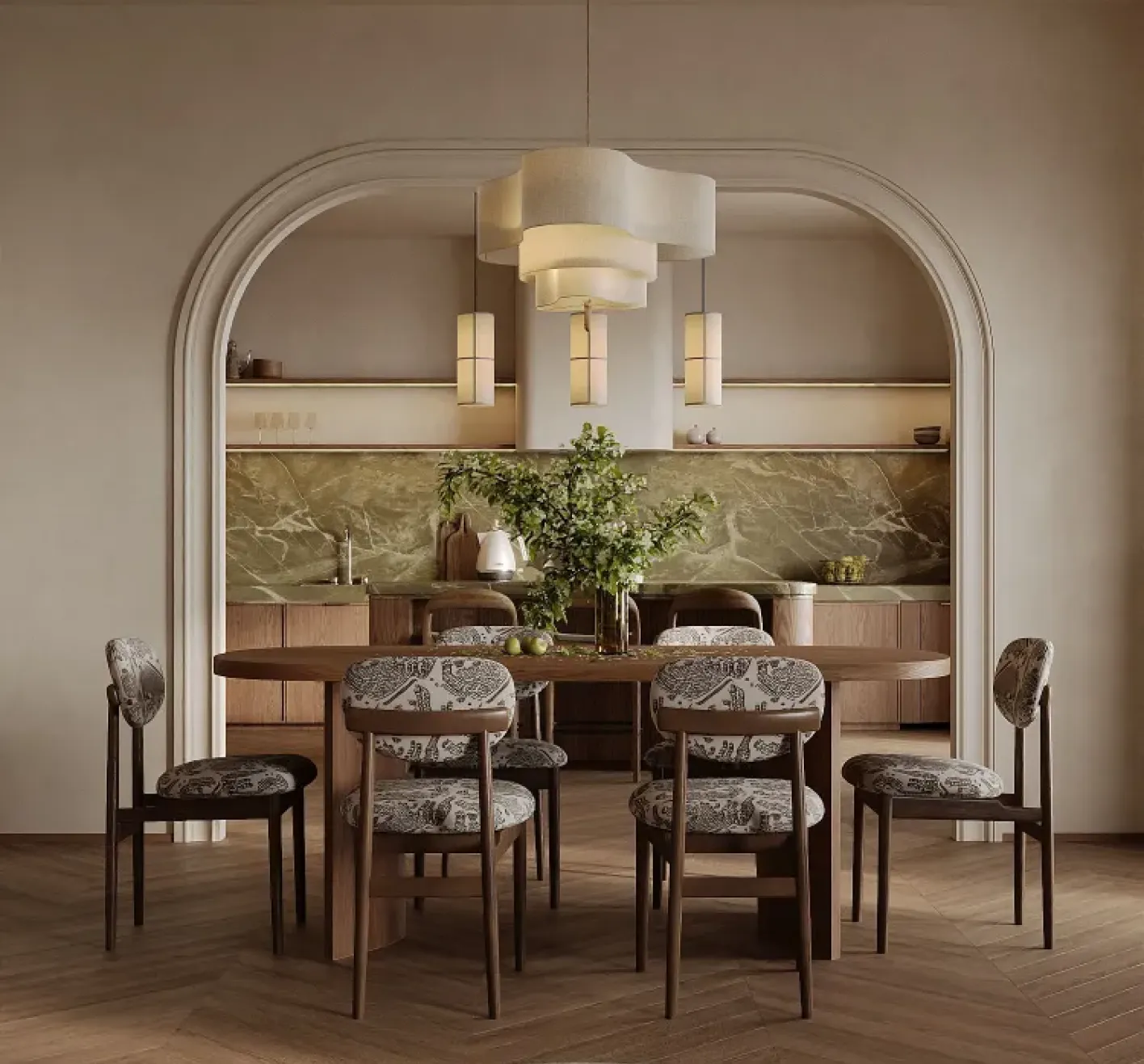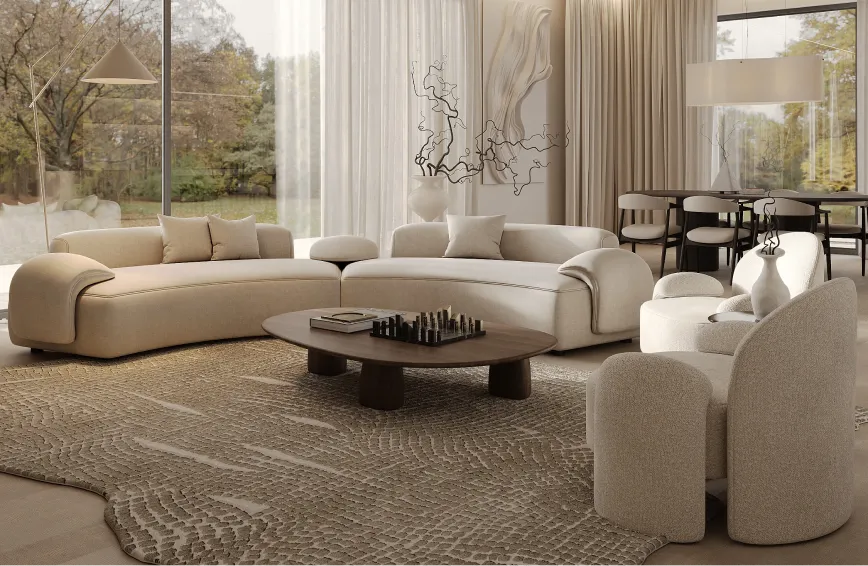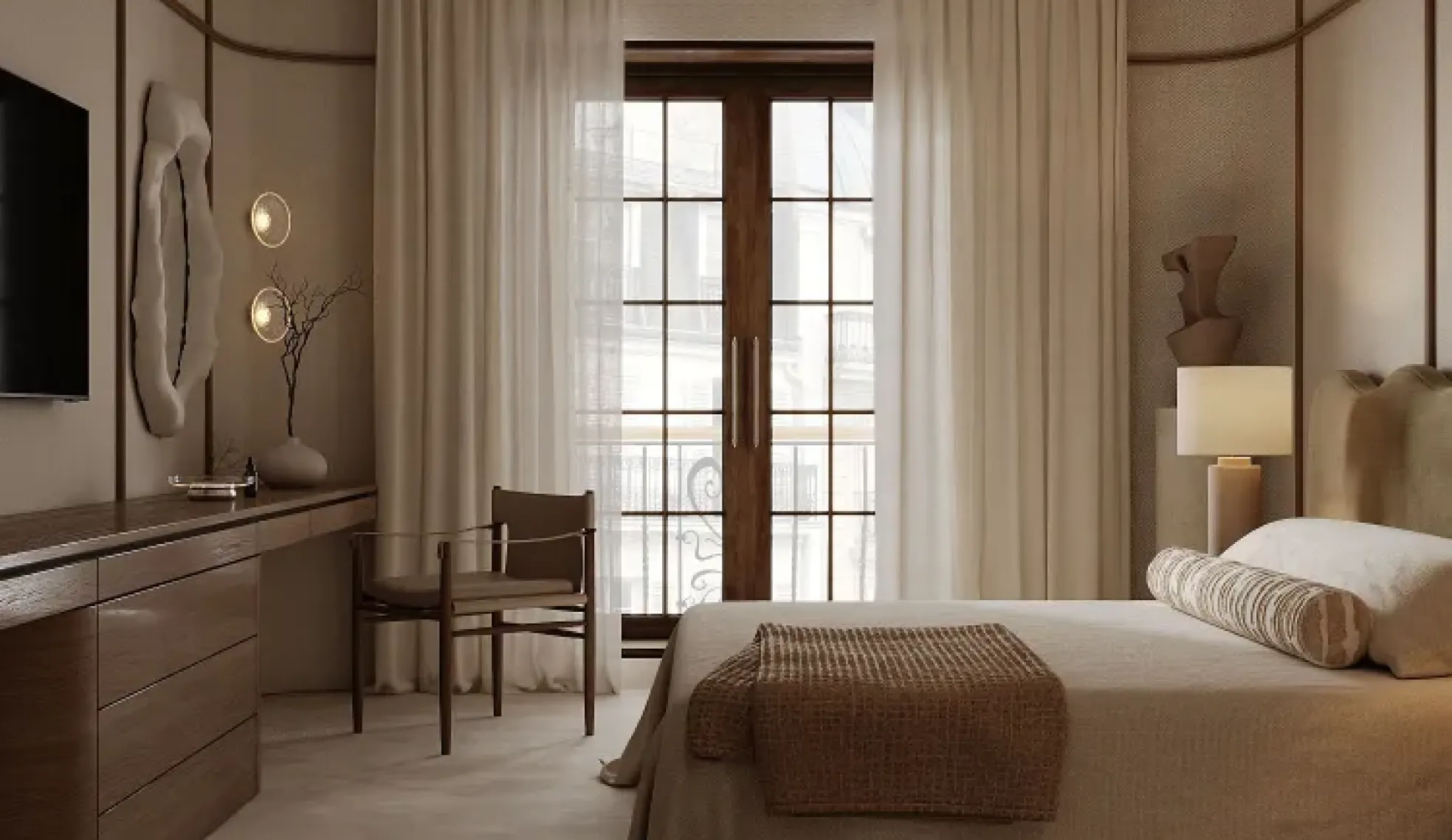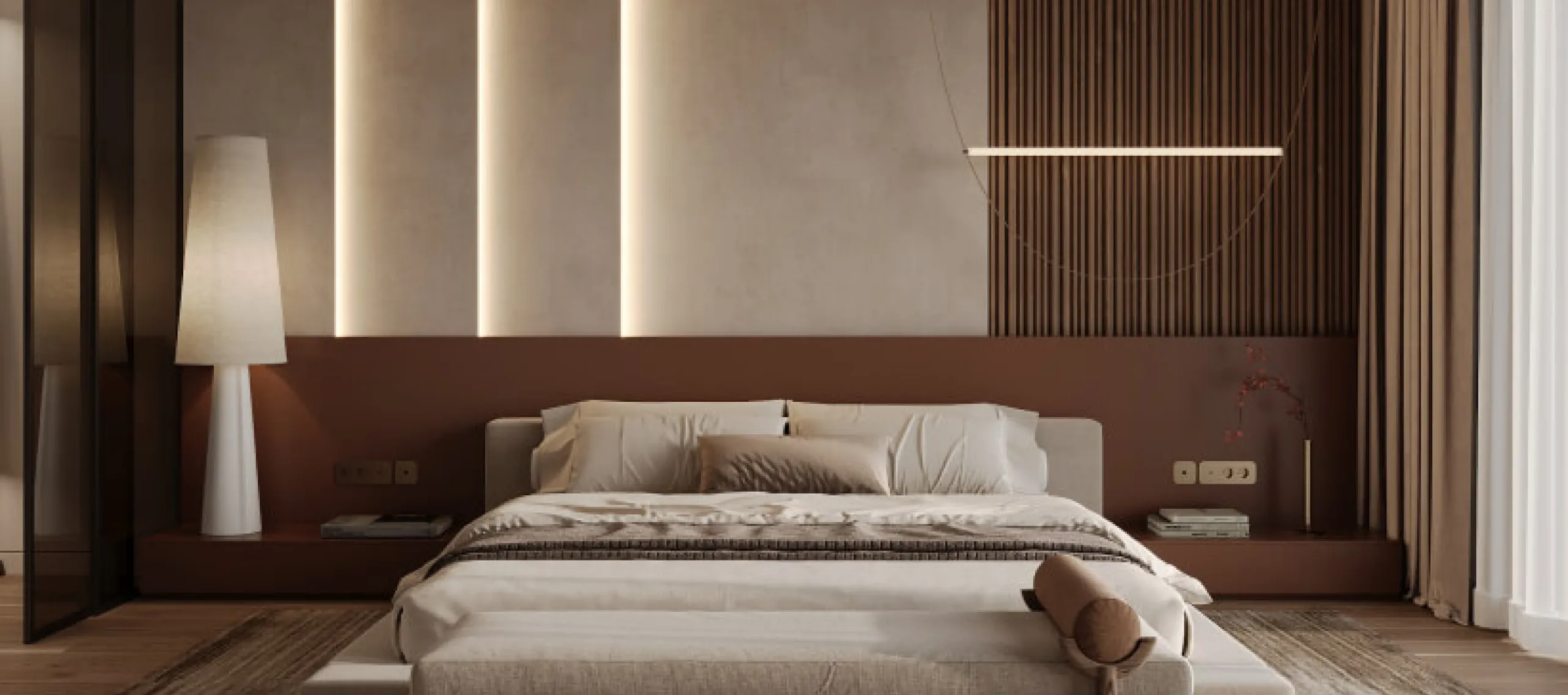

There are things in an interior that we notice immediately: a beautiful sofa, natural stone, an unusual kitchen, a striking chandelier.
And then there are solutions that rarely become the main visual accent, but actually determine how pleasant it is to spend time in the space every day.
One of these solutions is local lighting.
If, in the evening, you switch on the only chandelier in the center of the room and feel that the interior suddenly becomes too bright, flat, or even a little “office-like,” the problem may not be the furniture at all. Perhaps your interior simply needs a few additional, well-placed light sources.
“We always tell our clients: good lighting is not about having a lot of light. It’s about having the right light, switched on exactly when and exactly where you need it.”
— Line.Projekt designer
Light is not just about being able to see
We are used to thinking of light purely in functional terms: a room needs to be bright enough. But professional interior design works differently. Light shapes the way a space feels and functions. It can make a room energetic or calm, intimate or open, relaxing or stimulating for concentration.
That is why a good apartment interior design project or house interior design project begins not with choosing beautiful light fixtures, but with understanding how people will use each area of the space. In the morning, we may need bright, even lighting in the kitchen. During the day, we need good lighting at the workspace. In the evening, we may want soft light next to the sofa, wall lighting, or illumination for a bookshelf.
These are completely different needs.
Why one chandelier is almost never enough
Central lighting solves only one problem — providing general illumination. Imagine an ordinary evening. You are watching a movie. Someone is reading a book. Someone else is making tea in the kitchen. Another person is working on a laptop. Does the entire apartment need to be lit equally brightly at that moment? Of course not.
That is why modern interior design relies on the principle of layered lighting. It usually includes three main levels:
General lighting — provides the basic level of illumination.
Local or task lighting — is directed toward the area where a specific activity takes place: a kitchen worktop, desk, mirror, reading chair.
Accent lighting — highlights architecture, textures, artwork, decorative objects, or individual interior elements.
This approach allows the same space to change its mood throughout the day.
Local Lighting Creates “Islands” Within a Space
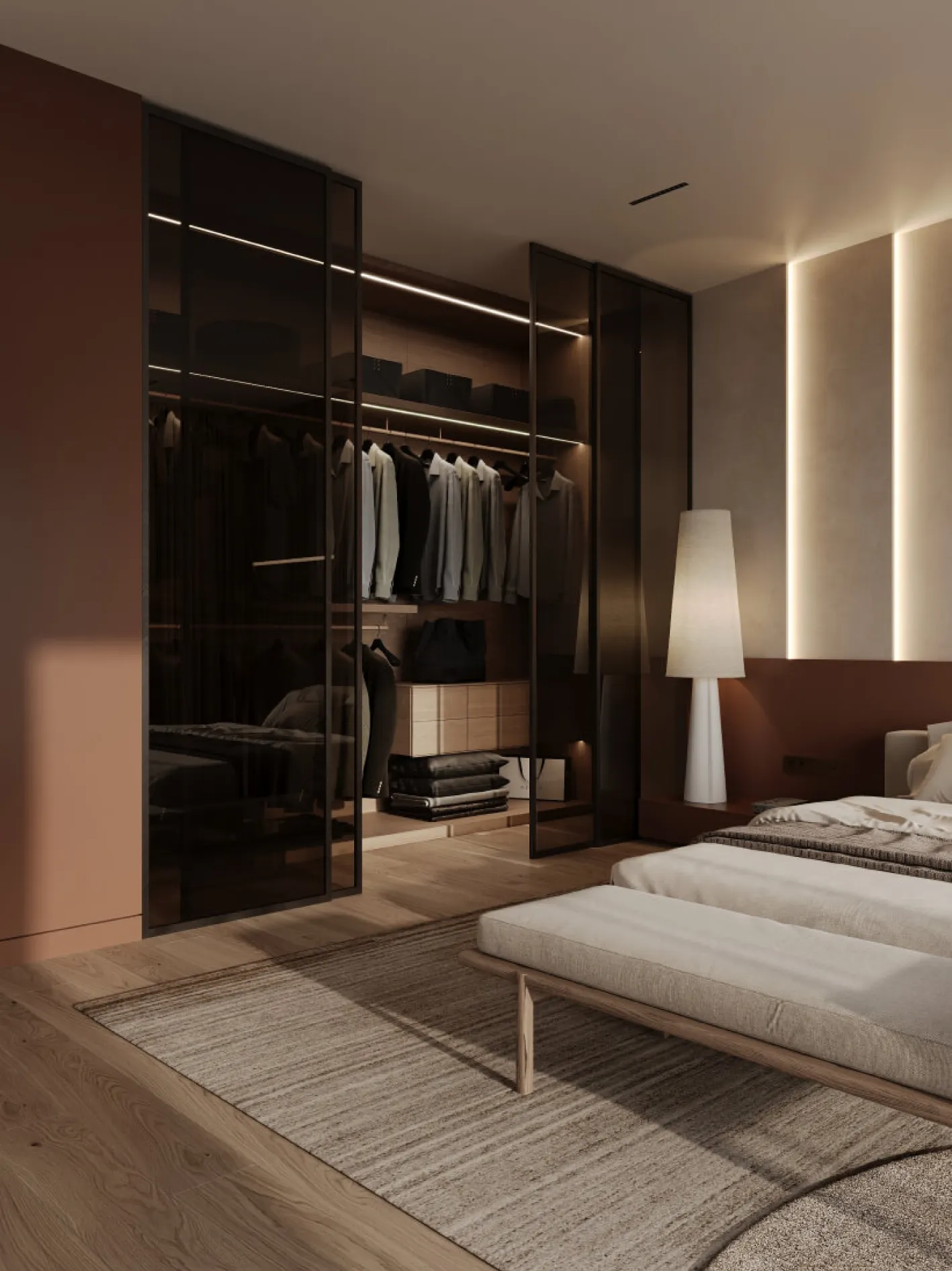
One of the most common mistakes is trying to illuminate every part of a room evenly. In practice, an interior becomes much more interesting when light creates distinct zones. In a living room, this could be a floor lamp next to an armchair, a wall sconce beside the sofa, a table lamp on a console, or soft wall lighting. As a result, instead of one brightly lit room, we get several small lighting scenarios.
This visually adds depth to the interior.
Light also works particularly well with textures. Stone, wood, decorative plaster, textured tiles, and textiles can look completely different under uniform overhead lighting compared to soft, directional light.
Why We Need Local Lighting Especially in the Evening
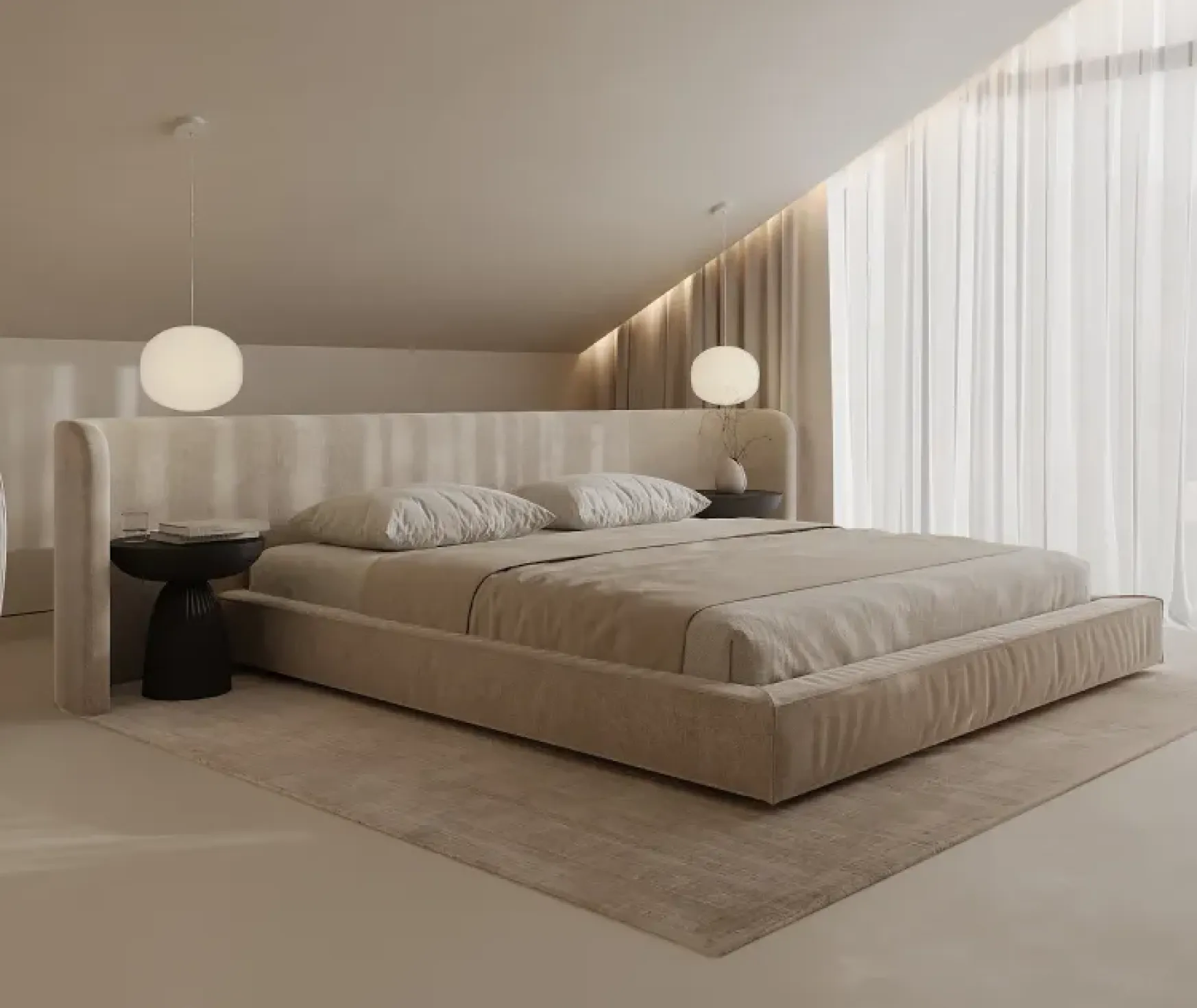
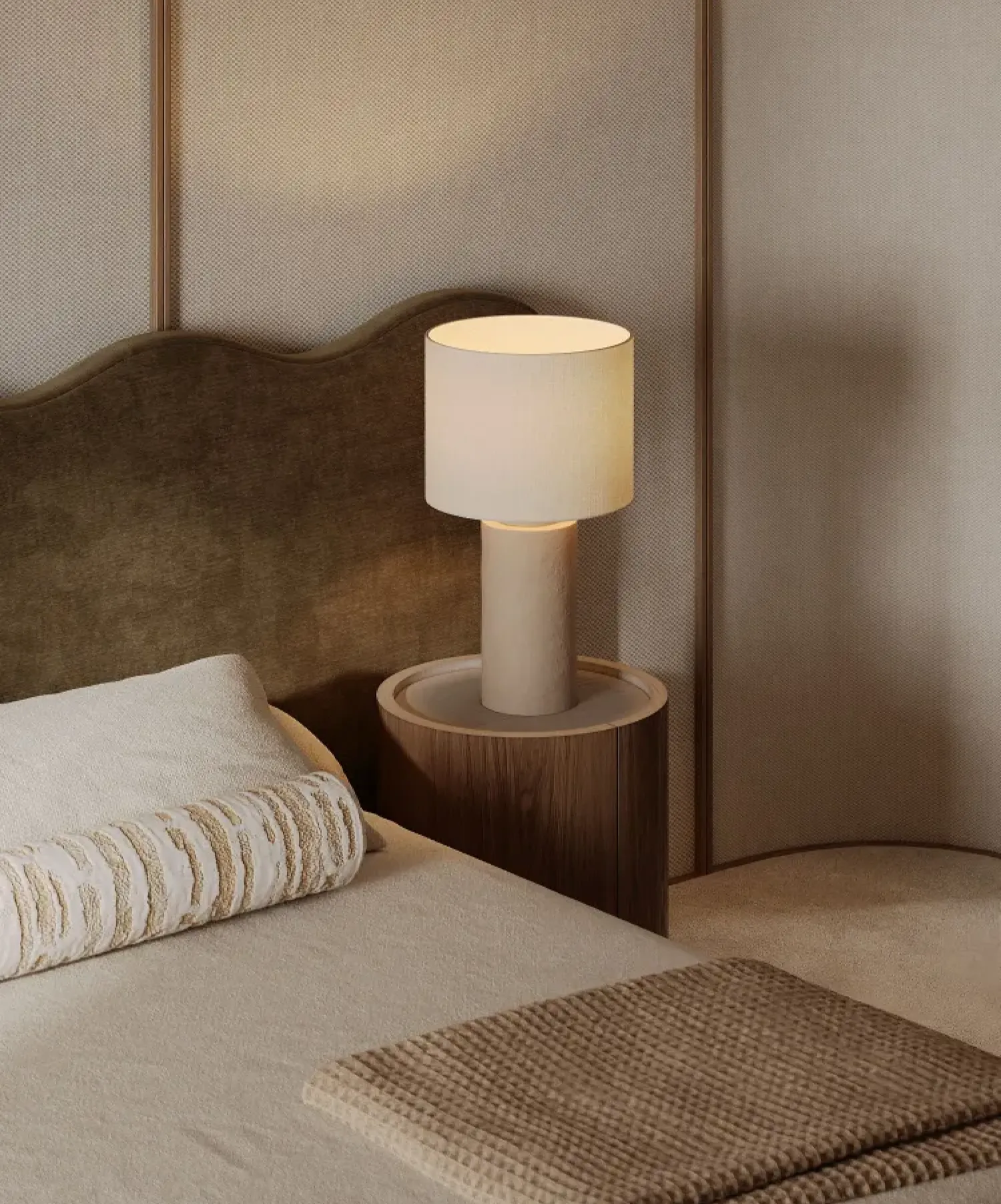
Light affects not only how we perceive an interior, but also how we feel. After a working day, we gradually shift from a state of activity to a state of rest. And this is where soft, local light sources help create a completely different feeling in the space. That is why, in bedrooms, we rarely design just one “turn everything on” lighting scenario.
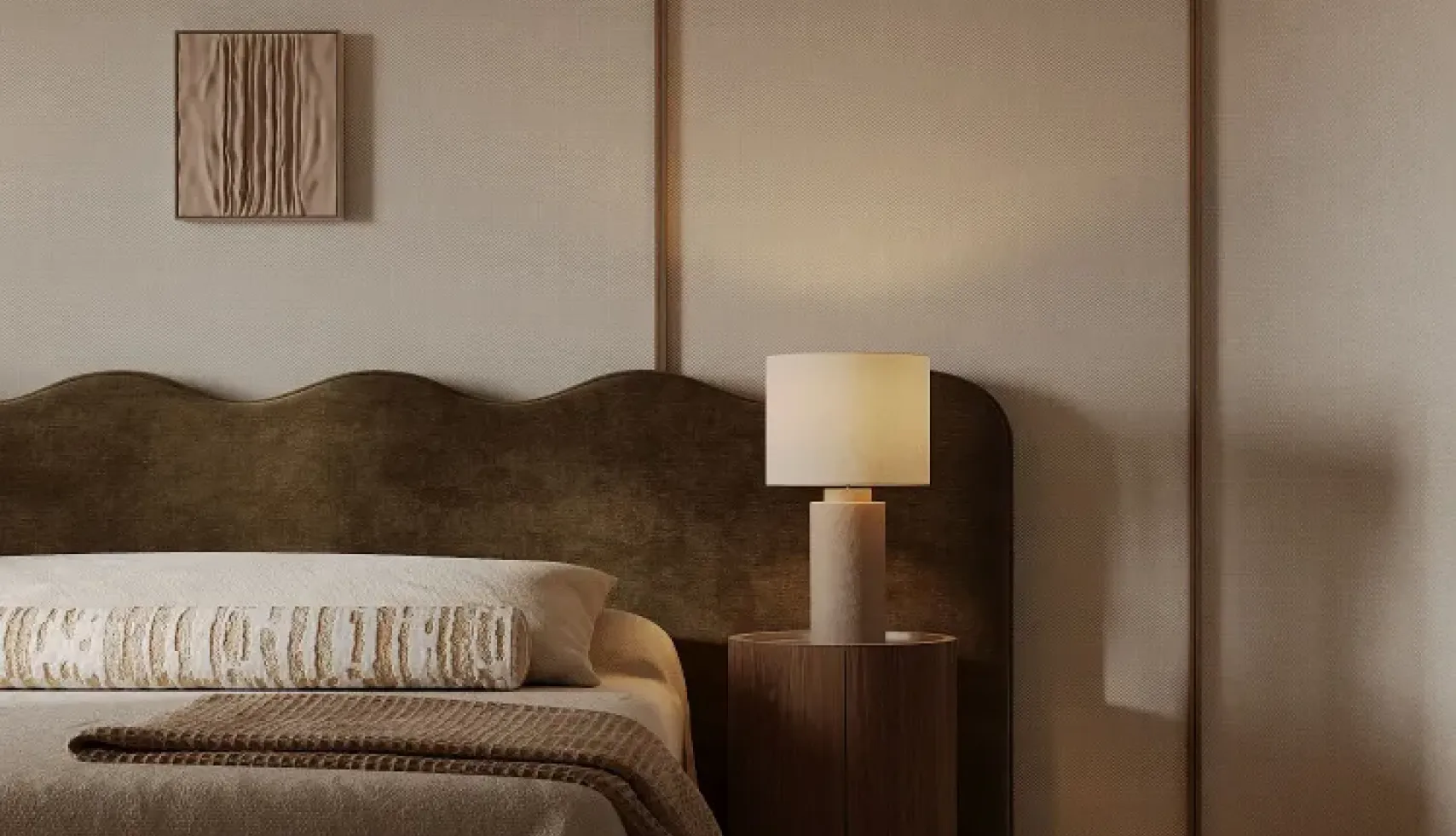
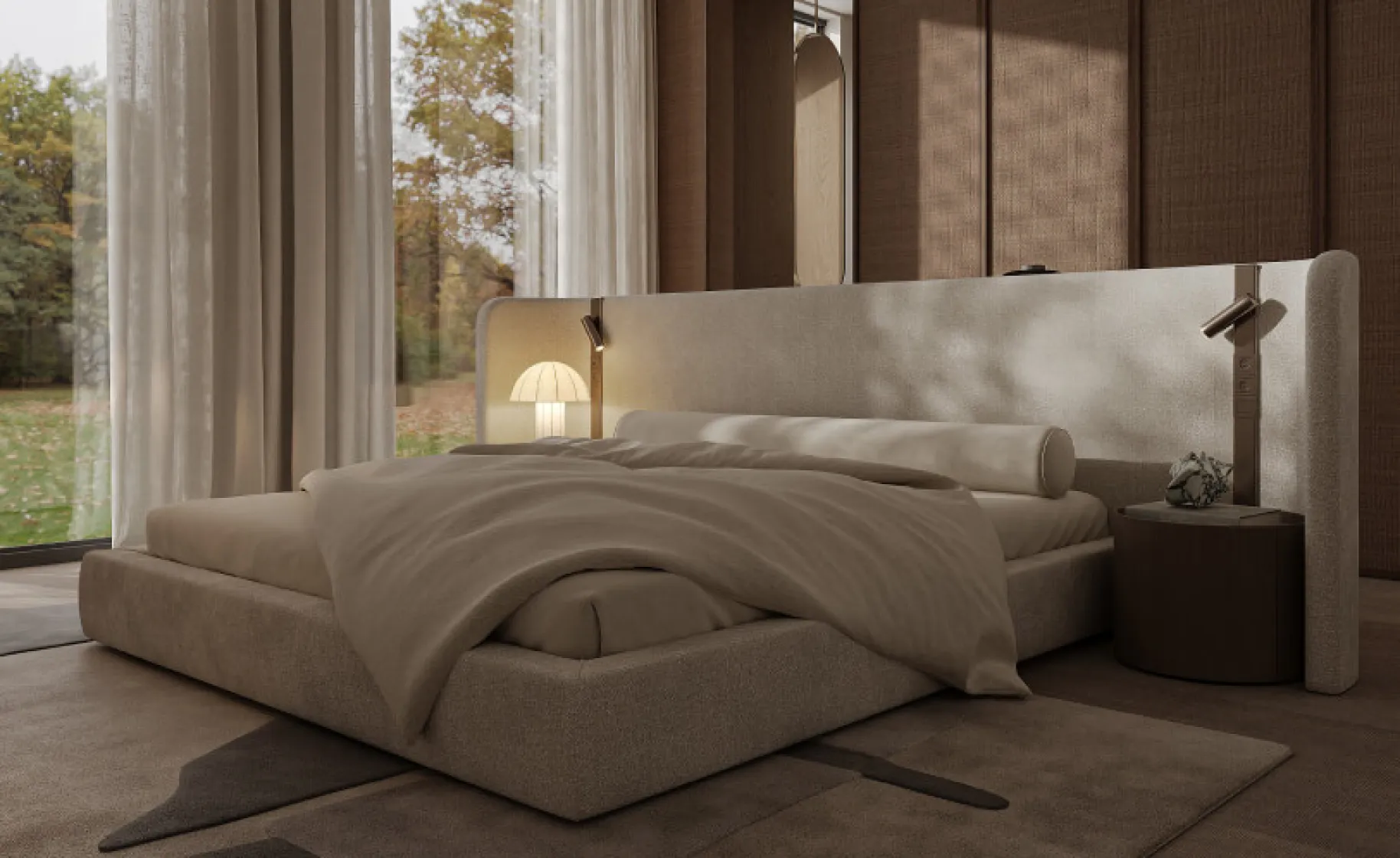
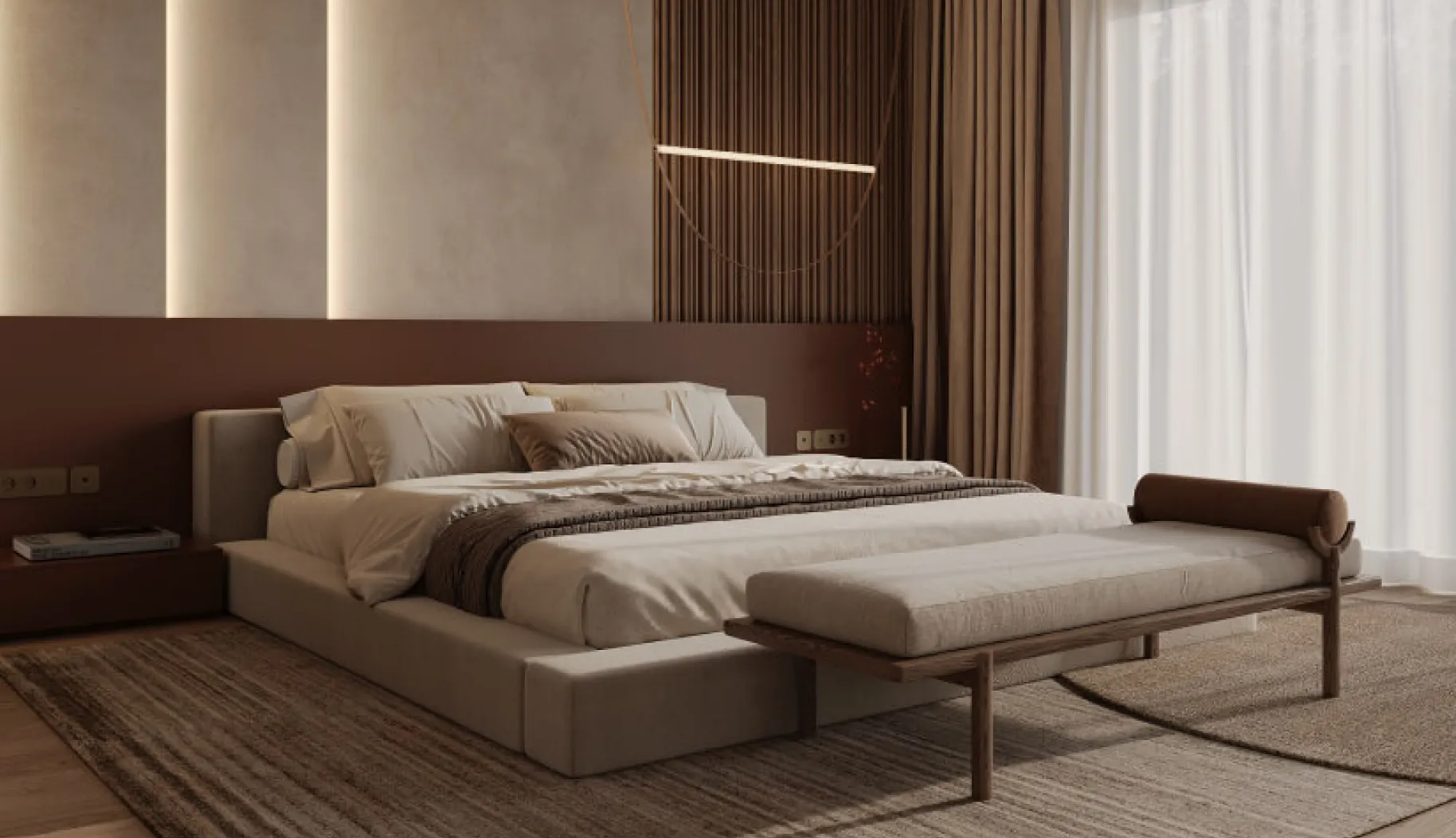
It is much more pleasant to have a separate light by the bed, soft cabinet lighting, a mirror with proper illumination, and the option to turn off the overhead light completely. In the evening, a living room might be lit only by a floor lamp and wall lighting. During dinner, the light can focus on the dining table. While reading, a local lamp next to the armchair can provide just the right amount of light. One interior, but several completely different experiences.
“In a residential interior, we never design just one lighting scenario. In the morning, while working, during dinner, and in the evening before bed, people need completely different sensations — and lighting should be able to respond to them.”
— Line.Projekt designer
Local Lighting Is Also About Functionality
Beautiful lighting should not be a decorative element for the sake of decoration. It should answer the question: what is a person doing in this space? In the kitchen, a beautiful pendant light above the island is not enough. It is important to ensure that the work surface is properly illuminated and that the person working there does not cast a shadow over it with their own body.
In the bathroom, the lighting around the mirror should be carefully planned so that the face is not left in harsh shadow from above.
In a home office, it is important to avoid glare on the screen while still providing sufficient illumination for the work area.
In the bedroom, reading light should be positioned exactly where it is actually needed — not simply where it looks beautiful in a visualization.
When Should Lighting Be Planned?
Before the renovation even begins. This is one of the reasons why a professional interior design project is so important. The placement of switches, electrical outlets, wall light points, kitchen lighting, mirrors, furniture, and built-in storage systems are all interconnected.
If you complete the renovation first and only then decide where to install a wall sconce, you may find that there is no electrical connection where you need it. As a result, you may have to use extension cords, exposed wiring, or abandon the original idea altogether. In a professional interior design project, lighting is considered as an integral part of the entire interior system.
This is especially important for clients when it comes to a comprehensive project — from developing the initial concept all the way through to turnkey implementation.
Is It Enough to Simply Add More Light Fixtures?
No.
High-quality lighting is not about the number of light fixtures, but about the right combination of their placement, intensity, color temperature, and lighting scenarios.
Sometimes, a single well-placed wall sconce can do more for an interior than several additional recessed spotlights in the ceiling.
That is why a good interior designer thinks not only about where a light fixture will be located, but also about what exactly it should illuminate and what kind of atmosphere it should create.